
Industrial Air Pollution Control: Complete Technology Selection Guide for Effective Emission Management
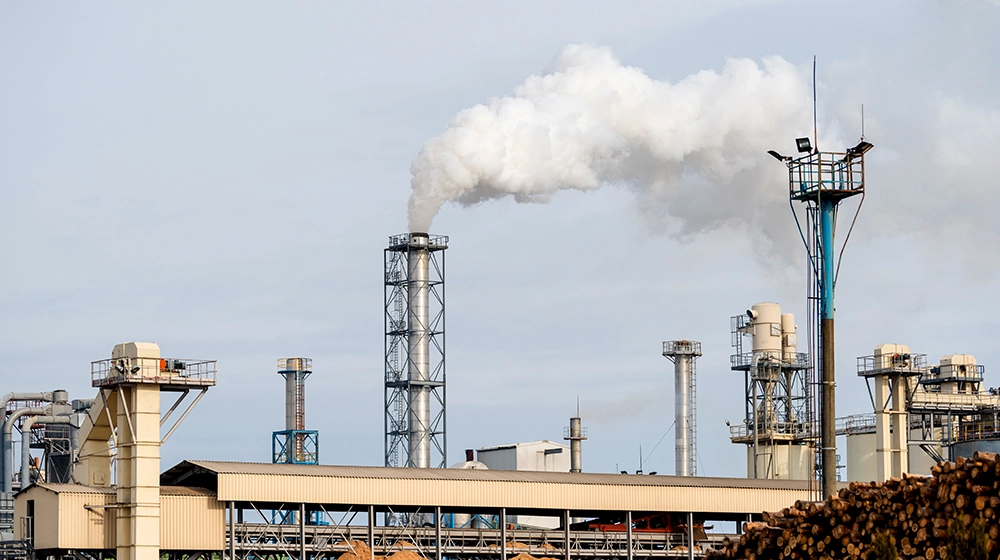
Industrial air pollution control technology matters for reducing harmful emissions from factories and industrial processes. To meet regulatory standards and protect the environment, facilities must choose equipment based on pollutant type, industry needs, and system design.
Key options include scrubbers, filters, electrostatic precipitators, and biofilters. Each works best for certain pollutants—think particulates, gases, or volatile organic compounds.
This guide leans on expert knowledge and recent industry resources to break down air pollution control fundamentals and advanced options. The focus covers core components, working principles, and performance factors for different control devices.
Evaluation tips include examining cost, efficiency, and environmental impact. Real-world examples span manufacturing, energy, and chemical sectors.
Critical topics like pollutant types, equipment sizing, maintenance, and trends such as smart sensors and IoT integration come up along the way. The aim: practical insights for professionals and decision-makers who need to choose wisely for compliance and sustainability.
Fundamentals of Industrial Air Pollution Control
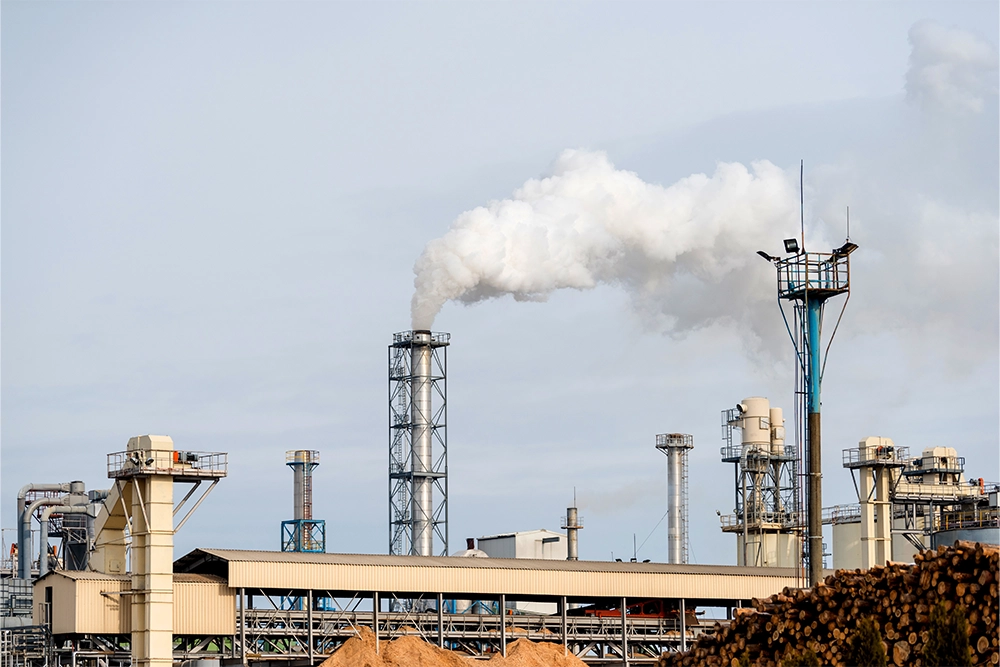
Industrial air pollution control uses techniques and equipment to cut the release of harmful substances from factories and plants. This covers managing particles, gases, and vapors that damage air quality.
Essential elements include how pollution forms, the types of pollutants, and the main industrial sources behind these emissions.
Principles and Mechanisms
Industrial air pollution control works by capturing, transforming, or destroying pollutants before they hit the atmosphere. The main tools are filtration, chemical reaction, absorption, and thermal destruction.
Filtration physically removes particles using devices like baghouse filters and cyclones. Cyclones spin particles out with centrifugal force, while baghouses trap particles on fabric.
Chemical methods include scrubbers that dissolve gases into liquids. Catalytic converters transform harmful gases into less toxic forms.
Thermal methods burn volatile organic compounds (VOCs) and other pollutants at high temperatures. Control strategies often blend several mechanisms to meet regulatory limits while juggling cost and complexity.
Types of Pollutants
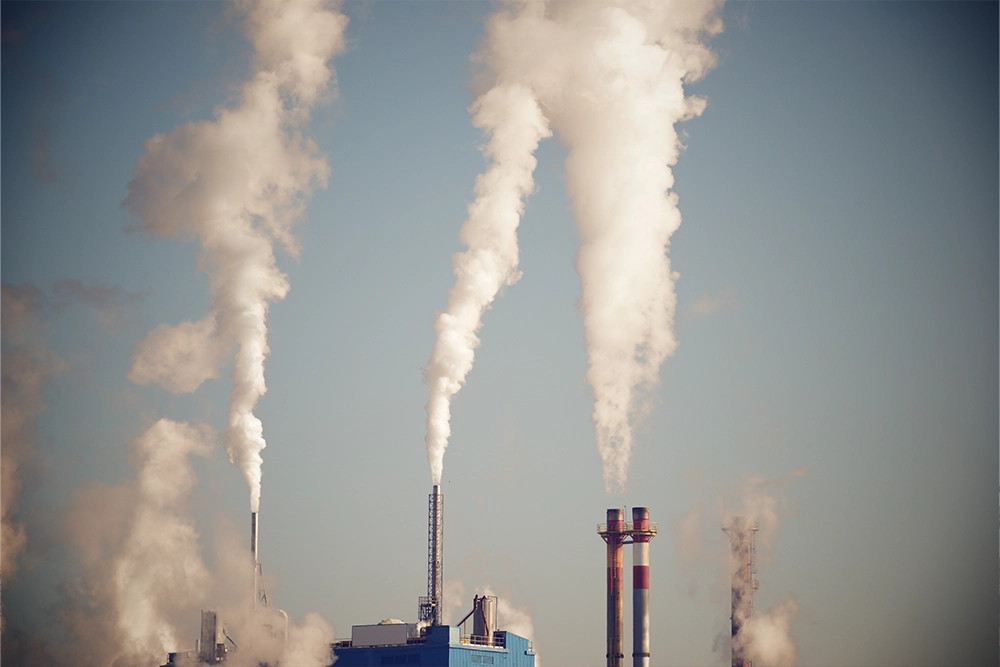
Industrial emissions contain several main pollutants: particulate matter (PM), volatile organic compounds (VOCs), sulfur oxides (SOx), nitrogen oxides (NOx), and hazardous air pollutants.
- Particulate matter covers dust, soot, and smoke that can get into the lungs and cause health issues.
- VOCs are organic chemicals that evaporate fast and contribute to smog and breathing problems.
- SOx and NOx gases lead to acid rain and damage ecosystems.
- Hazardous air pollutants include heavy metals and toxic chemicals.
Each pollutant needs specific control technologies for removal or destruction. Knowing pollutant properties helps match the right air pollution control technology to industrial needs.
Industrial Emissions and their Sources
Industrial air pollution mainly comes from stationary sources: power plants, manufacturing facilities, chemical plants, and refineries.
Combustion, chemical reactions, and material handling drive emissions. For instance, coal-fired power plants release PM, SOx, and NOx. Painting and coating operations release VOCs.
Industries use targeted control measures for their emission profiles. Equipment like electrostatic precipitators handles particulates, scrubbers tackle acidic gases, and thermal oxidizers destroy VOCs.
Key Regulatory and Compliance Considerations
Industrial air pollution control depends on meeting strict legal requirements. These rules shape how emissions get managed, monitored, and reduced.
Compliance helps facilities avoid fines and operate sustainably within legal limits. Regulatory bodies set the standards, and smart compliance approaches help industries stay within the law while reducing pollution.
International and National Standards
International and national air quality standards set emission limits for industries. The Environmental Protection Agency (EPA) in the United States enforces standards using frameworks like Maximum Achievable Control Technology (MACT).
In India, the Central Pollution Control Board (CPCB) and State Pollution Control Boards (SPCBs) regulate air emissions. These agencies align local air quality standards with global guidelines to control pollutants like particulate matter, sulfur dioxide, and nitrogen oxides.
Standards specify acceptable emission levels by pollutant type, industry, and location. Compliance usually involves using Best Available Control Technology (BACT) or MACT to keep environmental impact minimal while maintaining operations.
Role of Regulatory Authorities
Regulatory authorities enforce environmental laws and monitor industrial facilities. Agencies such as the EPA, CPCB, and SPCBs issue permits, set emission limits, and inspect facilities.
These authorities define the approval process for installing pollution control equipment. Consent guidelines clarify requirements and timelines, helping prevent delays.
Monitoring tools and reporting requirements push industries to track emissions closely. Authorities use the data to verify compliance and apply penalties for violations.
Environmental Regulations Impact
Environmental regulations require industries to reduce emissions for better air quality and public health. Rules force the use of pollution control equipment like wet scrubbers, baghouse filters, and electrostatic precipitators.
Strict pollutant limits drive process improvements and innovation in pollution control. Regulations also steer industries toward sustainable operations and smaller environmental footprints.
Noncompliance risks fines, permit revocation, and legal action. Regular compliance supports community relations and meets rising expectations for environmental responsibility.
Regulatory Compliance Strategies
Industries use proactive strategies to meet regulations. These include thorough emissions assessments, choosing the right Best Available Control Technologies (BACT), and setting up real-time monitoring systems.
Developing a compliance plan means weaving air quality management into daily operations. Staff training, regular equipment maintenance, and solid record-keeping matter.
Consulting regulatory frameworks early helps avoid expensive retrofits and fines. Predictive tools and IoT sensors can boost equipment performance and reporting accuracy.
Focusing on compliance reduces emission risks and supports operational stability. According to a 2025 EPA report, businesses investing in smart monitoring improved emission control reliability by over 20%.
Comprehensive Guide to Air Pollution Control Technologies
Industrial air pollution control comes down to picking the right equipment for the pollutants and processes involved. Effective systems target particulate matter, gases, and vapors using mechanical, chemical, or thermal methods.
Proper selection means balancing performance, cost, and regulatory compliance. The following sections break down core technologies in air pollution control equipment.
Dust Collectors
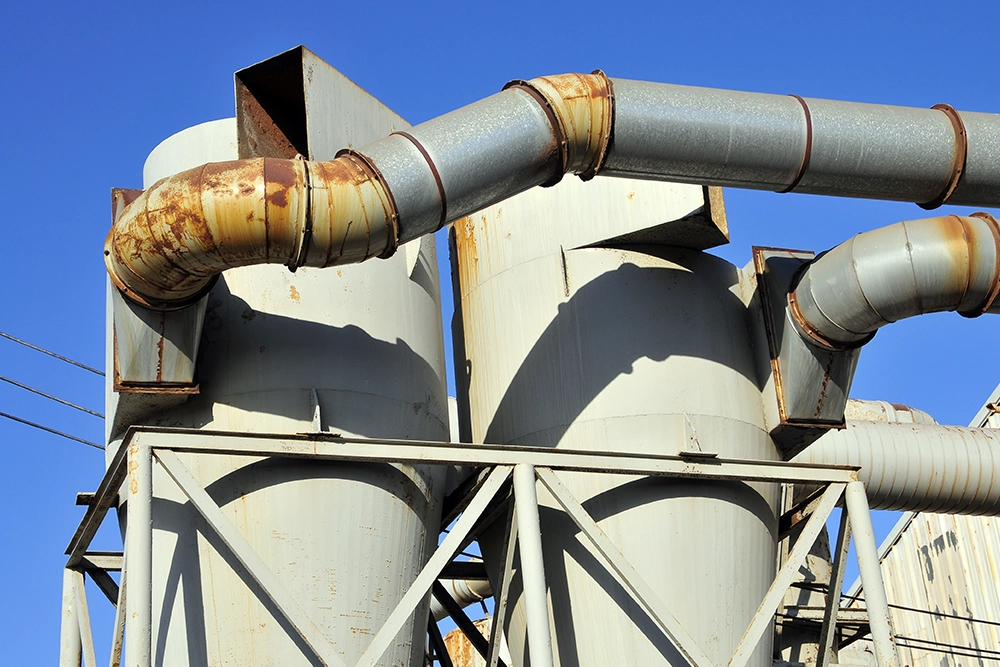
Dust collectors are mechanical systems that remove solid particles from industrial exhaust streams. These devices capture particulates before they enter the atmosphere.
Common types include fabric filters (baghouses), cyclones, and cartridge collectors.
Key attributes:
- How it works: Dust-laden air passes through filters or centrifugal devices that trap particles.
- Core components: Filter media, housing, cleaning mechanisms (shakers, pulse jet), and dust disposal systems.
- Applications: Mining, cement plants, wood processing, and operations producing particulate emissions.
- Advantages: High removal efficiency (over 99% for fine dust), adaptable to various industries.
- Considerations: Needs periodic maintenance, pressure drop monitoring, and can be costly depending on system size.
Dust collectors often serve as the first step in pollution control, cutting particulate load for downstream treatment (EPA Clean Air Technology Center, 2023).
Wet Scrubbers and Venturi Scrubbers
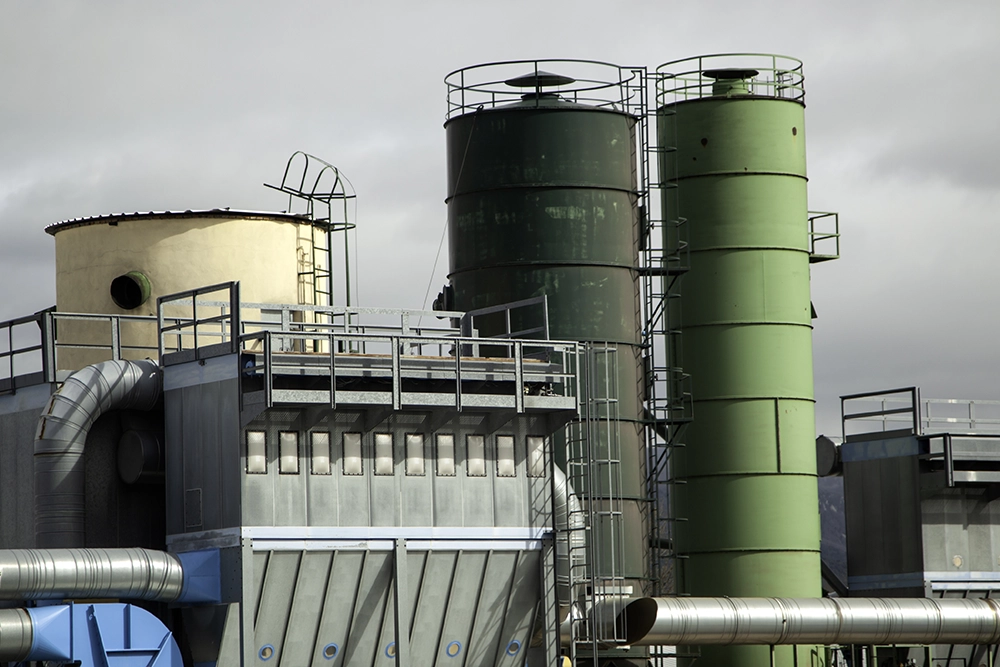
Wet scrubbers use liquid, usually water, to remove pollutants from gas streams. These devices capture particles or dissolve gases.
Attributes:
- Wet scrubbers: Spray liquid droplets, causing pollutants to move from gas to liquid.
- Venturi scrubbers: Use a narrow throat to boost gas velocity, improving particle collection.
- Core components: Spray nozzles, liquid reservoirs, separators, and pumps.
- Applications: Handle particles, acid gases, and soluble vapors in chemical, pharmaceutical, and metal processing.
- Pros: Effective for both particulates and gases, good for sticky dust or fumes, handles high temperatures.
- Cons: Needs liquid handling, possible wastewater treatment, and can use more energy than dry collectors.
Venturi scrubbers excel at grabbing fine particles because of high turbulence, making them handy in power plants and foundries (Industrial Air Pollution Control Systems Guide, 2023).
Electrostatic Precipitators
Electrostatic precipitators (ESPs) remove particles by charging them electrically and collecting them on oppositely charged plates.
Attributes include:
- Operation principle: Dust particles receive a charge in an ionization zone, then move to the collector plates.
- Core components: Discharge electrodes, collection plates, rappers to dislodge dust, and hoppers for dust collection.
- Applications: Coal-fired power plants, cement kilns, steel mills, and large industrial processes.
- Strengths: High efficiency for fine particles, low pressure drop, and long service life.
- Limitations: High upfront cost, less effective on sticky or wet particles, and needs skilled maintenance.
ESPs work well for high-volume air streams where particulate removal must be efficient without a big energy penalty (Air Pollution Control Equipment Selection Guide, 2022).
Thermal and Regenerative Thermal Oxidizers
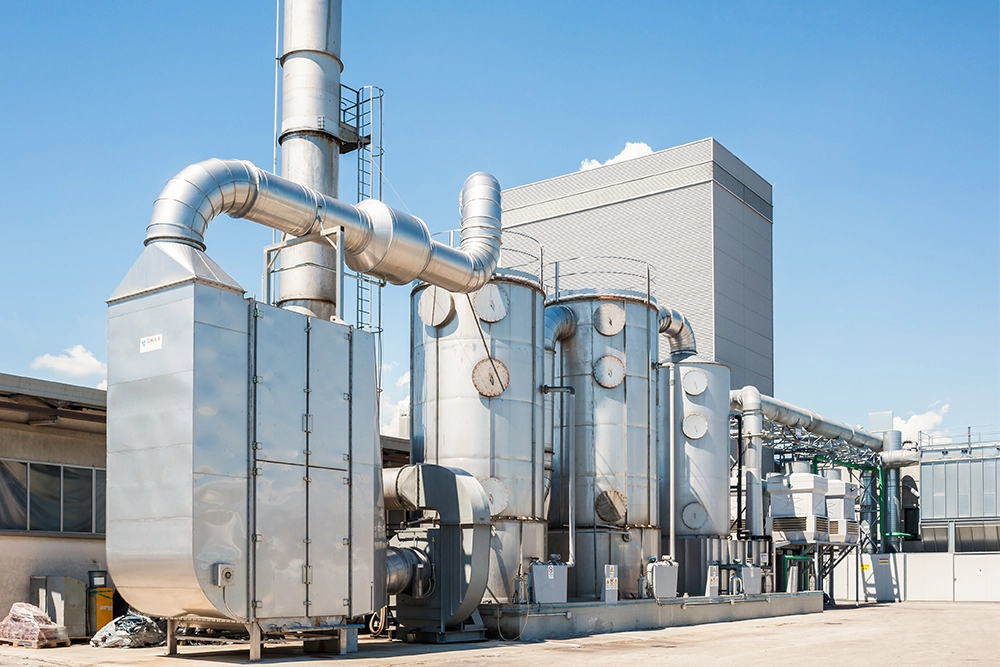
Thermal oxidizers destroy volatile organic compounds (VOCs) and hazardous air pollutants (HAPs) by burning them at high temperatures.
Key points:
- Thermal oxidizers: Heat polluted air to 1,400°F–1,800°F, converting pollutants into carbon dioxide and water.
- Regenerative thermal oxidizers (RTOs): Use ceramic beds to capture and recycle heat, improving energy efficiency.
- Core parts: Combustion chamber, heat exchangers, burners, and control systems.
- Applications: Paint booths, chemical manufacturing, and solvent recovery.
- Benefits: High destruction efficiency (95–99%), and energy recovery drops operating costs.
- Drawbacks: Needs fuel, proper controls for temperature, and periodic inspection.
RTOs are popular for industries that want sustainable pollution control and lower fuel use compared to basic thermal oxidizers (Emerging Strategies in Air Pollution Control, 2023).
Specialized and Advanced Technologies
Industrial air pollution control uses advanced technologies tailored to specific needs. These approaches combine methods or use specialized materials to capture or neutralize pollutants.
Such technologies tackle hard-to-control emissions and optimize performance for complex industrial processes.
Hybrid Systems
Hybrid systems blend two or more pollution control technologies to boost pollutant removal. For example, a fabric filter might work alongside an electrostatic precipitator.
The fabric filter grabs fine particulates. The electrostatic precipitator manages heavier dust loads.
This pairing increases performance and can lower operational costs by letting each technology do what it does best. Hybrid systems often appear where single methods just can’t hit strict emissions targets.
Industries with mixed pollutants—think volatile organic compounds (VOCs) and particulate matter—find hybrid setups especially useful. Flexibility here means customization is possible, adapting to shifting process conditions or new regulations.
Careful design is necessary to fit components together well and keep pressure drops minimal.
Adsorption Devices
Adsorption devices rely on solid materials to trap gaseous pollutants from air streams. Activated carbon or zeolites serve as adsorbents, capturing VOCs, odors, and hazardous gases by binding them to their surfaces.
These devices excel at treating low concentrations of pollutants. Special applications where chemical scrubbing won’t work also benefit from adsorption.
Adsorption beds can run in fixed or rotating modes. This allows for continuous pollutant capture and easy adsorbent regeneration.
High selectivity and the ability to handle changing pollutant loads without much energy use set these devices apart. Still, adsorbent materials need replacement, and handling saturated media demands proper disposal or regeneration.
Evaporators and Evaporative Coolers
Evaporators work by promoting the evaporation of volatile contaminants. Heating or reducing pressure separates pollutants from liquid waste streams.
Industries use evaporators to shrink hazardous liquid volumes before further treatment or disposal. Evaporative coolers, on the other hand, lower air temperature and humidity by passing polluted air through water sprays.
This process boosts particulate removal and cuts dust levels in dry, dusty settings. Both evaporators and evaporative coolers target specific pollutant types and shine under certain thermal or moisture conditions.
These devices often support other air pollution controls, especially when moisture or temperature affects pollution levels.
Fabric Filter and Fiberbed Collectors
Fabric filter collectors, often called baghouses, use porous fabric bags to trap dust and particulate matter. Polluted air moves through the fabric, catching particles while cleaner air exits.
Filters need cleaning—shaking or reverse air pulses usually do the trick. Fiberbed collectors employ a dense mat of fine fibers to grab smaller particles and aerosols.
Fiberbed filters excel at removing fine particulates where fabric filters might struggle. They also help manage mist and liquid aerosols in industrial emissions.
Cement, steel, and chemical manufacturing industries rely on both technologies for high filtration efficiency and reliability. Maintenance and filter replacement factor into operational costs and long-term performance.
Choosing the Right Air Pollution Control Equipment
Picking air pollution control equipment means weighing emissions, production processes, and regulations. Key steps: identify pollutants, match technologies to operational needs, and balance costs with supplier know-how.
Facility managers who understand these factors make smarter choices for pollution control and compliance.
Assessment of Facility Requirements
Facility requirements start with identifying pollutant types and quantities. Measure gas flow rate, temperature, and pollutant concentration for a clear picture.
Production scale, raw materials, and emission sources shape equipment selection. Regulations and permit limits set the bar for permissible emissions.
Mapping emission points and exhaust systems helps design capture and control systems. The pollution control equipment selection guide links emissions to the right technologies.
For instance, manufacturing facilities with particulate matter may lean toward baghouses or electrostatic precipitators. Chemical plants with acidic gases might need scrubbers.
Technology Selection Framework
Technology selection hinges on pollutant type, needed removal efficiency, and how well the equipment fits into facility operations. Common types include:
- Electrostatic Precipitators: Great for fine particulates.
- Scrubbers: Handle gases and vapors.
- Baghouses: Use fabric filters for particulates.
Removal efficiency, maintenance needs, and operational complexity matter. The framework weighs these aspects against the facility’s conditions.
Integration with current systems and adaptability to production changes also play a role. A pollution control equipment selection guide lets managers compare features and make sure technologies meet emission goals and manufacturing needs.
Operational Needs and Customization
Operational needs focus on how equipment performs under specific process conditions. Uptime, maintenance ease, and options for automation or smart controls—like sensors or IoT—are all in the mix.
Customization might mean tweaking equipment size, layout, or control settings to match unique pollutant mixes or flow rates. Operational reliability depends on how equipment responds to startups, shutdowns, or production swings.
The air pollution control industry now offers more tailored solutions, making it easier to fit systems into plant operations. Proper customization can cut downtime and boost long-term performance, keeping operating costs lower.
Cost and Supplier Evaluation
Cost factors: upfront investment, installation, ongoing expenses like energy, consumables, and maintenance. Balancing initial cost with life-cycle savings is key.
Supplier reputation and support matter a lot. Reliable suppliers offer technical guidance, follow the air pollution control equipment selection guide, and provide service contracts for maintenance or upgrades.
Comparing suppliers on warranty, training, and responsiveness helps ensure the equipment meets operational needs and quality standards.
| Cost Factor | Considerations |
| Capital Cost | Equipment price, installation fees |
| Operating Cost | Energy, consumables, labor |
| Maintenance | Frequency, parts availability |
| Supplier Support | Warranty, training, technical help |
Equipment from trusted suppliers cuts risk and supports compliance with environmental laws.
Optimization, Maintenance, and Performance
Industrial air pollution control equipment needs careful maintenance, steady monitoring, and ongoing optimization. Energy efficiency matters for cost and reliability.
Key practices keep equipment running, improve performance, and reduce energy use—without sacrificing pollution control.
Maintenance Best Practices
Maintenance keeps air pollution control equipment working and efficient. Regular inspections catch wear, corrosion, or blockages early.
Schedules usually include cleaning filters, swapping worn parts, and lubricating moving pieces. Detailed records matter—operational hours, repairs, and performance metrics help spot issues before failure and support compliance.
Training for maintenance personnel is essential. Staff need to know the equipment’s design, whatcore parts do, and how to handle everything safely.
Having the right tools and spare parts on-site helps cut downtime.
Optimizing Operational Efficiency
Operational efficiency means running equipment at peak performance while controlling emissions. Adjust system settings based on current loads and pollutant concentrations.
Adjustable controls on scrubbers, filters, and electrostatic precipitators allow fine-tuning. Operators can balance removal rates with pressure drop and energy use.
Staying within the manufacturer’s recommended settings is important. Straying from optimal conditions can lower efficiency or cause equipment to fail early.
Control systems help, too. Automated feedback loops let operations react in real time to changes in output or pollutant levels.
Continuous Monitoring and Diagnostics
Continuous monitoring uses sensors to track temperature, pressure, flow, and pollutant levels in real time. Quick issue detection becomes possible.
Diagnostic software looks for trends in sensor data—fouling, leaks, or wear show up early. Targeted maintenance can happen before breakdowns hit.
Opacity meters, gas analyzers, and vibration sensors are common tools. Advanced systems tie these into cloud platforms for remote access and analytics.
Timely monitoring cuts unplanned downtime and helps facilities meet emission limits.
Energy Efficiency Improvements
Boosting energy efficiency trims costs and environmental impact. Optimizing fans, pumps, and blowers avoids wasting power.
Variable frequency drives let motors run at needed speeds—not always full tilt. That saves energy.
Keeping heat exchangers and scrubbers in good shape ensures efficient heat and mass transfer. Retrofitting with better components can push performance higher.
There’s a trade-off, though: sometimes energy savings might hurt pollution control. Balancing these factors takes analysis and steady monitoring.
The Industrial Environmental Association’s 2023 report, “Energy Optimization in Industrial Air Control Systems,” found that companies cut energy use by up to 20% using these approaches. That’s a strong argument for integrating energy and pollution management.
Frequently Asked Questions
Industrial air pollution control leans on proven technologies like scrubbers and electrostatic precipitators to cut harmful emissions. Technology choice depends on pollutant type, regulatory limits, and process details.
This section covers common questions about control methods and recent advances.
What are the primary technologies used for controlling particulate emissions in industrial settings?
Key technologies for particulate control: electrostatic precipitators, fabric filters (baghouses), and cyclones. Electrostatic precipitators use electrical charges to pull particles onto plates.
Fabric filters trap particles in filter bags. Cyclones use centrifugal force to separate larger dust.
Efficiency, cost, and particle size suitability vary between these options. Fabric filters work best for fine particles, while cyclones handle bigger dust.
How do scrubbers work in reducing gaseous pollutants from industrial emissions?
Scrubbers remove gases by mixing exhaust air with a liquid—usually water or a chemical solution. This dissolves or reacts with pollutants like sulfur dioxide or acid gases.
Wet scrubbers use liquid sprays. Dry scrubbers rely on dry reagents. Wet scrubbers often tackle sulfur oxides and acid gases.
What factors determine the selection of an appropriate air pollution control system for a given industrial process?
Selection depends on pollutant type and concentration, gas volume and temperature, regulatory requirements, and economics. Industry and process conditions also shape the choice.
High-temperature gases may need cooling first, and stricter emissions limits can push facilities toward advanced technologies.
Can you explain the role of electrostatic precipitators in air pollution control?
Electrostatic precipitators (ESPs) remove fine particles by charging them and collecting them on oppositely charged plates. This approach is energy-efficient and fits large gas volumes.
ESPs keep pressure drop low and can hit removal efficiencies above 99% for particulate matter.
What advancements have been made in VOC abatement technologies for industrial air pollution?
Recent years have seen catalytic oxidizers, biofilters, and plasma-based systems pop up in the industrial air pollution scene. Catalytic oxidizers break down volatile organic compounds (VOCs) at lower temperatures than traditional thermal oxidizers.
Biofilters rely on microorganisms to degrade VOCs through biological processes. Plasma systems harness electrical energy to decompose VOCs, and these options seem especially energy-efficient for low-concentration streams.
What is the significance of material recovery in air pollution control systems?
Material recovery grabs valuable byproducts from emissions rather than just destroying everything. This process cuts down on waste and can even bring economic perks, especially when recycling or reuse comes into play.
Some typical examples are pulling sulfur out of scrubber slurries or collecting metals from particulate matter. These methods push the industry closer to truly sustainable practices.