
Baghouse Filter Media: PPS vs P84 vs Fiberglass vs PTFE Comparison for Industrial Applications
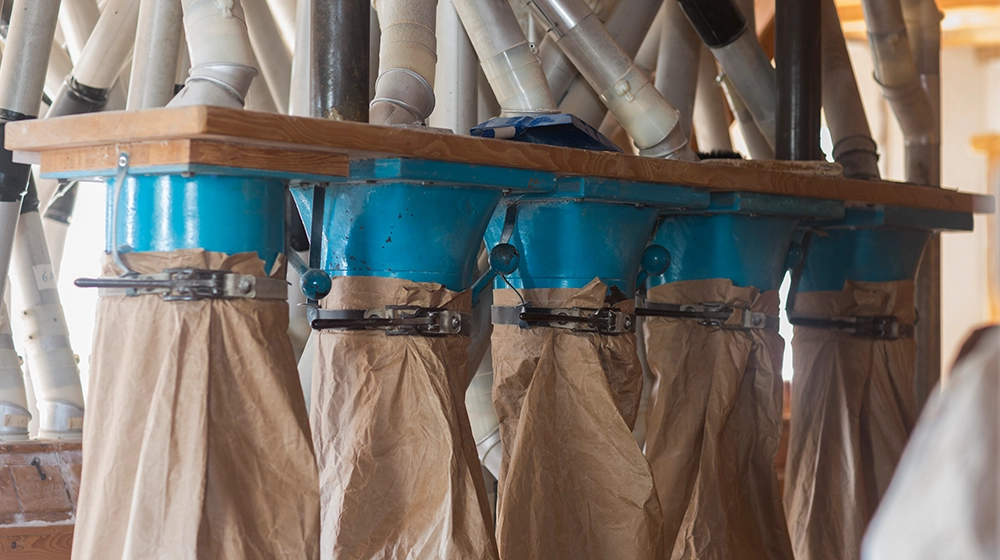
Baghouse filter media options—PPS, P84, fiberglass, and PTFE—all bring unique strengths. Factors like temperature resistance, chemical exposure, and dust type shape the best choice for each application.
Media selection directly affects filter life, system performance, and cost efficiency in industrial dust collection. The right pick can mean the difference between smooth operation and chronic headaches.
PPS stands out for durability and chemical resistance. P84 thrives in high-temperature, acidic environments. Fiberglass often works for general filtration, especially with a PTFE finish, which helps cut down on cleaning. PTFE itself resists chemicals and heat, but doesn’t always handle wear as well as other options.
These fabrics play a central role in meeting industry standards and optimizing air quality. Every plant faces different challenges, so the right filter media can make or break compliance and maintenance budgets.
This breakdown covers temperature limits, chemical endurance, abrasion resistance, and filtering efficiency. It also looks at typical applications and real-world challenges, drawing on insights from Baghouse.com and Micronics Filtration Group.
Overview of Baghouse Filter Media
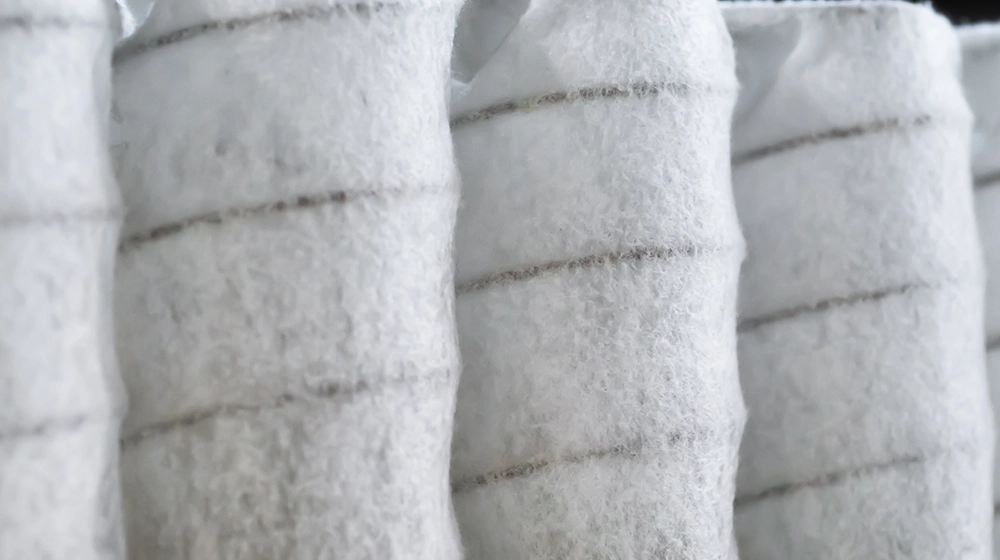
Baghouse filter media sit at the core of dust collection systems in a range of industries. The choice of filter material influences efficiency, longevity, and the ability to meet environmental rules.
Synthetic and inorganic fibers each bring different levels of chemical, heat, and particulate resistance. Knowing these differences is key to keeping a dust collector running without constant intervention.
Role of Filter Media in Baghouse Systems
Filter media act as the barrier that grabs dust and particles in a baghouse system. The fabric forms the actual filter bag, trapping airborne contaminants and letting clean air pass through.
Reducing emissions and protecting worker health—those are the main goals. Filtration efficiency, abrasion resistance, and temperature tolerance all factor into how well a baghouse runs between maintenance stops.
Woven or felted fabrics, made from synthetic or inorganic fibers, are common. The filter media must survive pressure swings and cleaning cycles, like pulse jet bursts. The fabric’s durability ties directly to system lifetime and overall costs.
Importance of Media Selection for Dust Collection
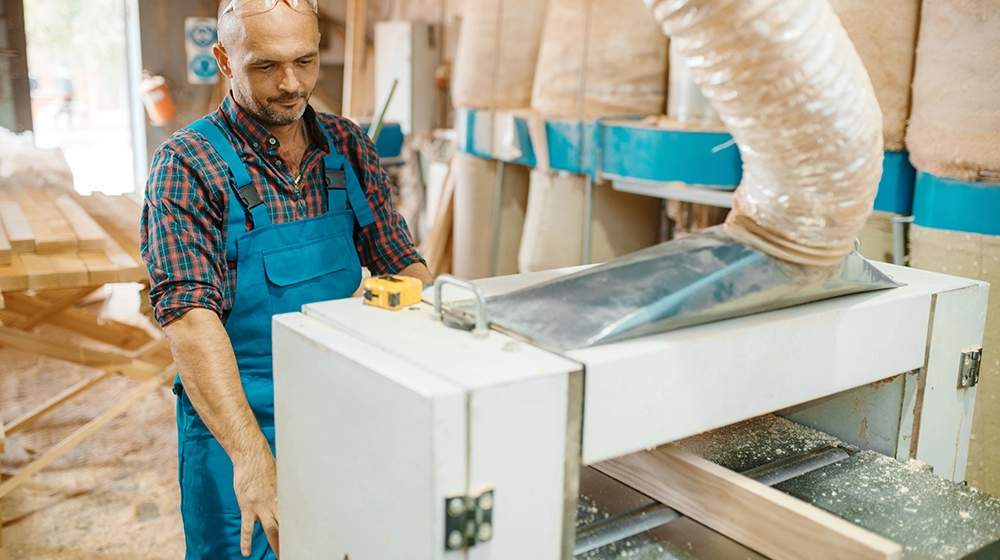
Filter media choice shapes operational costs, filter replacement intervals, and compliance with air quality standards. Each dust type brings its own chemical quirks, so media must resist acids or moisture to avoid fiber breakdown.
Temperature plays a big role too. PPS media, for example, can handle up to 260°C, while polypropylene maxes out near 170°F. Pick the wrong media and problems pile up—premature wear, more downtime, and higher energy bills from pressure drops.
Manufacturers need to weigh filtration efficiency against durability. Understanding dust characteristics and plant conditions leads to better filter selection, less frequent replacements, and stronger system value.
Types of Synthetic and Inorganic Filter Fibers
Baghouse filter media fall into synthetic and inorganic types, each with its own perks. Here’s a quick look:
Synthetic Fibers:
- PPS (Polyphenylene Sulfide): Delivers chemical resistance and high-temperature tolerance, up to 260°C. Power plants and chemical plants often rely on it.
- P84: A polyimide fiber with solid thermal stability and mechanical strength. Handles very high temperatures and abrasive dust well.
- PTFE (Polytetrafluoroethylene): Known for top-tier chemical resistance and low friction. Often used as a membrane layer over other fabrics.
Inorganic Fibers:
- Fiberglass: Handles heat well and often gets paired with PTFE membranes for tough environments. Fiberglass is tough against high temperatures but tends to be more brittle than synthetics.
Each fiber type involves trade-offs in cost, durability, and efficiency. Matching the right fiber to the dust collection job is crucial for balancing performance and lifespan.
A 2023 Micronics Engineered Filtration Group report points out that PPS and P84 excel in extreme environments, while fiberglass offers a cost-effective solution for high-heat needs.
Key Characteristics of PPS, P84, Fiberglass, and PTFE Media
PPS, P84, fiberglass, and PTFE filter media all perform differently. Their chemical resistance, temperature limits, andfiltration efficiency can vary widely. These differences matter when matching media to industrial dust collection and environmental demands.
Chemical Resistance
PPS media resists acids, alkalis, and solvents—tough enough for harsh chemical settings. Hydrolysis doesn’t faze PPS as much as P84, though strong oxidizers can still cause trouble.
P84 fibers stand up to many chemicals but struggle with hydrolysis. Over time, moisture exposure can wear them down, so they’re not ideal for wet or humid setups.
Fiberglass filter media offer broad chemical resistance to acids and alkalis, but can crack or break under mechanical stress. PTFE stands out with near-universal chemical resistance—including acids, bases, and solvents. The PTFE membrane also blocks liquids and dust, boosting durability in corrosive environments.
Operating Temperature Range
PPS filters run comfortably at up to 200°C (392°F). That’s good for moderately high-heat jobs, but not the hottest ones out there.
P84 fiber takes the heat, handling up to 260°C (500°F) continuously. Occasional spikes above that are no problem, which suits some high-temp processes.
Fiberglass filters go even further, working at up to 430°C (800°F) or more. That makes fiberglass a go-to for extreme heat, though acids and mechanical stress can still cause issues.
PTFE media operate up to 260°C (500°F) and resist sudden heat spikes up to 3000°C thanks to a high melting point. PTFE really shines in environments with frequent temperature swings and tough chemicals.
Filtration Efficiency
PPS media offer moderate filtration strength and solid mechanical durability. The material resists wear and chemical attack, but doesn’t always catch the finest particles as PTFE does.
P84 delivers higher filtration efficiency thanks to its unique fiber shape. It traps finer dust while keeping airflow steady, making it great for applications demanding tight particulate control.
Fiberglass filters perform well at high temps and keep their strength, but without membranes, they struggle to capture the smallest particles compared to synthetics.
PTFE filter bags with membranes set the bar for filtration efficiency. The membrane grabs tiny particles right at the surface, lowering pressure drop and extending bag life. PTFE fits best where high cleanliness and long service intervals are top priorities.
Polyphenylene Sulfide (PPS) Filter Media
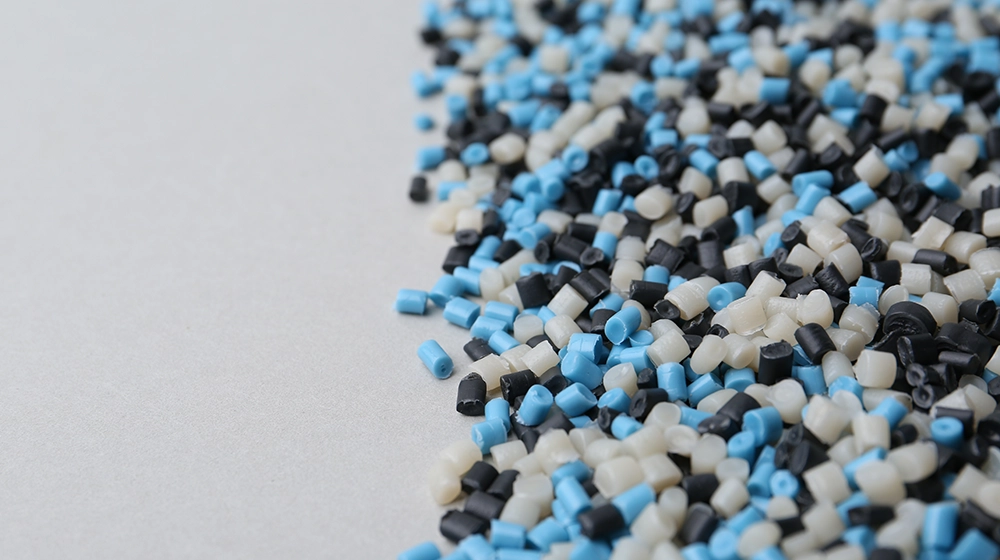
Polyphenylene Sulfide (PPS) is a synthetic polymer used widely in baghouse dust collection. Its chemical and heat resistance make it a favorite in tough industrial settings. Knowing where PPS excels (and where it doesn’t) helps with smart filter selection.
Strengths and Limitations
PPS filter bags shrug off acids, alkalis, and organic solvents. These bags handle continuous temps up to about 375°F (190°C), making them a fit for hot gas streams. PPS also resists moisture and dew point swings, so condensation doesn’t ruin the fibers. Abrasion resistance and flame retardance round out the benefits.
Downsides? PPS is less flexible than some synthetics, which can complicate bag shapes or pleating. The upfront cost may run higher, but longevity in chemical-heavy environments often justifies it. Performance depends on dust collector design and conditions, so compatibility checks really matter.
Baghouse.com’s 2023 technical briefing highlighted PPS as a top pick in settings with strict emissions and corrosion challenges.
Typical Applications and Industries
PPS filter media show up incoal-fired power plants, cement production, chemical processing, and carbon black manufacturing. These processes demand filter bags that can take on strong acids, alkaline dust, and high heat.
PPS handles moisture and chemicals without losing efficiency, making it a solid choice in plants with frequent dew point crossing. Its flame resistance and hydrolysis stability suit it for combustion by-products and wet scrubber emissions. Albarrie’s 2024 industry overview backs up PPS’s reputation for long life and chemical toughness in harsh settings.
Comparison With Other Synthetics
PTFE (polytetrafluoroethylene) beats PPS on maximum temperature, but PPS wins for chemical and moisture resistance. Fiberglass bags withstand higher heat but lack the flexibility and chemical durability of PPS, so fiberglass isn’t ideal for dusty, acidic jobs.
P84, a polyimide fiber, outperforms PPS on heat but costs more and doesn’t match PPS’s chemical resistance. When it comes to strength and durability, PPS sits between budget-friendly polyester and high-end specialty fibers.
| Attribute | PPS | PTFE | Fiberglass | P84 |
| Max Operating Temp | ~375°F (190°C) | Up to 500°F (260°C) | Up to 600°F (315°C) | Up to 500°F (260°C) |
| Chemical Resistance | High (acid, alkali) | Very high | Moderate | Moderate to high |
| Moisture Resistance | Excellent | Excellent | Low | Good |
| Flexibility | Moderate | High | Low | Moderate |
| Typical Use | Chemical, power plants | Aggressive chemicals | High temp, dry dust | High temp, specialty |
Donaldson’s 2023 report, “PPS/RYTON® Bag Filters,” suggests that balancing temperature, chemical exposure, and moisture is the key to picking the best synthetic for any dust collection setup.
Polyimide (P84) Filter Media
P84, a polyimide-based filter material, was designed for high-temperature baghouse work. Stability at elevated temps, resistance to abrasion, and steady filtration efficiency even under stress—these are the main selling points for P84.
Performance in High-Temperature Environments
P84 filter media thrive in heat, operating up to about 460°F (238°C). Polyimide fibers maintain their strength and shape under dry heat, making P84 a solid fit for pulse jet baghouses in cement, power, and waste-to-energy plants.
Unlike polyester or cotton, P84 resists rapid degradation at high temperatures. That means less downtime and fewer replacements. The tri-lobal fiber shape of P84 bumps up surface area by 30-90%, which helps capture more dust without raising pressure drop.
P84 tolerates moderate moisture but works best in dry or controlled humidity. Hydrolysis resistance in P84 beats traditional fibers, so moisture exposure doesn’t weaken it as quickly during operation.
Chemical Compatibility
P84 brings strong chemical resistance against many industrial gases and dusts. It handles acids, alkalis, and most solvents better than fiberglass or polyester.
This makes P84 useful in processes where dust contains abrasive or mildly corrosive elements. However, strong bases or long-term hydrolysis in wet environments can degrade P84.
To boost chemical durability and moisture resistance, manufacturers often blend P84 with fibers like PTFE or PPS. Layered or blended filters extend bag life in aggressive chemical settings while keeping filtration performance steady.
Maintenance and Life Expectancy
P84’s robust physical and chemical properties help extend service life compared to many alternatives. It resists abrasion and heat-related weakening, so filter replacement happens less often in tough conditions.
Filter bags made from P84 can last for years, depending on the application. Maintenance relies on regular pulse jet cleaning to knock off dust cake without harming the felt structure.
P84’s durability lowers the risk of media rupture during cleaning cycles. Still, operators need to watch for chemical exposure, which can speed up wear.
Proper handling and storage matter because P84 absorbs moisture over time, which may slightly affect performance before installation.
Fiberglass Filter Media
Fiberglass filter media shows up in baghouse filters thanks to strong thermal resistance, chemical durability, and versatility. It handleshigh temperatures better than most synthetic fibers.
PTFE membranes add extra properties that improve filtration efficiency and cleaning. Costs and durability factor into its fit for different industrial uses.
Thermal Stability and Acid Resistance
Fiberglass excels in high-temperature environments. It usually withstands continuous use at up to 500°F (260°C), depending on fiber quality.
This makes fiberglass suitable for cement, steel, and power plants where hot gases are the norm. The material is naturally resistant to acidic conditions and doesn’t break down in the presence of many corrosive dusts or fumes.
That resistance helps extend filter life when dealing with acidic or harsh chemical particulates. In demanding applications, fiberglass’s thermal and chemical endurance outpaces polypropylene and polyester.
PTFE Membrane-Coated Fiberglass
Adding a PTFE membrane to fiberglass filter media improves dust release and filtration. The membrane forms a thin, non-stick layer that cuts down dust cake buildup.
This boosts filtration efficiency and reduces cleaning cycles. PTFE coatings also help with moisture resistance and sticky dust particles, maintaining airflow and lowering pressure drop.
Plants with sticky or fine dust often prefer PTFE-coated fiberglass bags. The membrane adds chemical resistance, making the media work in even harsher conditions while tolerating high temperatures.
This pairing of fiberglass base and PTFE finish balances durability and filtration performance. It’s not perfect, but it works well in tough environments.
Cost and Mechanical Durability
Fiberglass filter media costs more than synthetic fibers like polypropylene, but lasts longer in high heat and corrosive settings. Fewer replacements and less downtime help offset the initial cost.
Fiberglass fibers are less flexible and more brittle than synthetics. Handling and installation can get tricky, and high vibration or sharp edges may cause damage.
Protective coatings reduce fiber abrasion and extend media life. Companies must weigh the higher cost against superior thermal and chemical resistance.
For many demanding processes above 300°F with acidic compounds, fiberglass proves its value.
Polytetrafluoroethylene (PTFE) Filter Media
PTFE filter media uses a synthetic fluoropolymer with strong chemical bonds and stability. A PTFE membrane blocks fine particles but allows airflow, making the material durable in harsh chemical environments and resistant to moisture.
PTFE also helps reduce dust buildup on filter surfaces. Here’s a closer look at the key traits and uses.
Non-Stick and Anti-Blinding Properties
PTFE’s non-stick surface keeps dust and particles from clinging to the filter. This reduces blinding, where particles clog up the filter and kill efficiency.
The PTFE membrane acts like a smooth coat—dust slides off more easily than on other fiber media. These properties help PTFE filters maintain airflow longer and cut down on cleaning.
During cleaning pulses, PTFE membranes help dust cake release quickly, improving performance and longevity. Lower maintenance costs come as a bonus.
Chemical and Hydrolysis Resistance
PTFE resists a wide range of chemicals—acids, bases, and solvents. That makes PTFE filter media a solid choice in industries with harsh chemical dust.
Chemical inertness keeps PTFE from reacting or degrading in aggressive settings. PTFE also resists hydrolysis, so moisture or water vapor won’t damage it over time.
This matters in high humidity or wet dust environments. Polyester, for example, might break down faster, but PTFE keeps its integrity.
Best Use Cases
PTFE filter media works best in high-temperature processes and chemical-heavy environments. Cement, chemical manufacturing, and metal processing industries rely on PTFE for temperatures up to 275°F (135°C), or even higher with specialized designs.
PTFE handles very fine dust particles and abrasive or sticky dust types. The combo of chemical and moisture resistance makes PTFE filters suitable for wet gas filtration and jobs with frequent chemical exposure.
| Industry | Key Benefit | Typical Temperature Range |
| Chemical plants | Chemical resistance | Up to 275°F (135°C) |
| Cement production | Dust cake release & abrasion handling | Moderate to high heat |
| Metal processing | High durability & fine particle filtration | High heat |
A 2024 industry guide from Baghouse.com, “PTFE Filters,” points out that PTFE membrane filters provide efficient surface filtration and improved dust release. In tough dust environments, these filters are a top choice.
Comparative Analysis: PPS vs P84 vs Fiberglass vs PTFE
PPS, P84, Fiberglass, and PTFE are all common filter media for baghouse dust collection systems. Each fabric brings unique strengths based on operating conditions, filtration needs, industry standards, and cost factors.
Performance shifts a lot with temperature limits, dust types, and maintenance demands. No single medium fits every scenario.
Performance in Varied Operating Conditions
PPS (Polyphenylene Sulfide) handles moderate-to-high temperatures, usually up to about 200°C. Chemical resistance is good, but strong alkalis can cause problems.
P84, a polyimide fiber, stands out for high temperature resistance—continuous operation around 260°C, with even higher peaks possible. Moist, acidic conditions hurt P84, though, since hydrolysis resistance is lacking.
Fiberglass filter bags take on extreme temperatures up to 500°C or more. That makes fiberglass ideal for high-heat applications, but brittleness and inflexibility are drawbacks.
PTFE (Teflon) offers outstanding chemical resistance and tolerates temperatures up to 260°C. PTFE resists acids, alkalis, oxidation, and hydrolysis better than P84 or PPS, but has some weaknesses—low wear resistance and lower filter precision.
Dust Collection Efficiency and Energy Impacts
Filtration efficiency depends on fabric type and fiber structure. PTFE membranes usually deliver the highest dust removal efficiency, thanks to the fine fiber matrix and low friction properties.
PTFE allows for lower pressure drops, which trims down energy use in fans and blowers. P84 and PPS offer similar filtration efficiency, but P84’s finer fiber weave can catch smaller particles more effectively.
Fiberglass has a coarser fiber structure, leading to lower filtration efficiency and higher pressure drop. That means more energy consumption.
Needle felt structure and surface coatings also influence longevity and cleaning cycle frequency. PTFE generally balances filtering precision and airflow resistance better than the others.
Suitability for Industry Requirements
Industries like cement, power plants, chemical, and steel must match filter media to both the environment and dust characteristics. PPS is a favorite for moderate heat with chemical exposure, such as chemical processing and some power generation.
P84 fits harsh, high-temperature conditions needing durability and chemical resistance—cement and incineration plants, for example. Fiberglass is the go-to for very high-temperature environments above polymer limits, like metal and glass manufacturing, even if fragility is a concern.
PTFE is widely used where fine particulate control and strong chemical stability are must-haves—pharmaceuticals, food processing, and electronics manufacturing. PTFE adapts well to variable temperatures and aggressive dust types.
Cost Effectiveness and Maintenance
PPS is cost-effective with a good lifespan in moderate conditions but may need more frequent replacement in harsher settings.
P84 costs more, but lasts longer where high temperatures and moderate acidity or moisture exist. Maintenance intervals are longer, so downtime drops.
Fiberglass has a low upfront cost but can break or wear out faster, leading to more frequent bag swaps and higher indirect costs.
PTFE filter bags are pricey, but they cut operational expenses by lasting longer and needing less energy due to low pressure drop. Abrasion or rough handling can drive up maintenance costs, though.
The right filter fabric depends on balancing initial cost, expected life, cleaning efficiency, and system energy use for each dust collection need.
Other Relevant Baghouse Filter Media
Several other filter media types support a range of industrial applications. Temperature resistance, chemical durability, and mechanical strength vary across these options, so the right choice depends on dust type, temperature, and chemical exposure.
Polyester Filter Media Properties
Polyester ranks among the most common baghouse filter media because of its affordability and versatility. It tolerates continuous operating temperatures up to about 275°F (135°C).
Polyester fibers resist abrasion and most acids, which works for many dust collection environments. Polyester media holds up against weak acids, alkalis, and moisture, but struggles with strong bases or high heat.
Good dimensional stability helps keep the bag shape during filtration cycles. Hydrophobic properties give some moisture resistance, but special finishes might be needed for damp conditions.
Polyester filter bags often appear in cement plants, food processing, and general industrial dust collection. In high temperatures or aggressive chemical exposure, PPS or P84 fibers outperform polyester.
Polypropylene Filter Media Features
Polypropylene filter media stands out for its chemical and moisture resistance at moderate temperatures. Continuous operation up to about 170°F (77°C) limits use in high-heat environments, but it’s ideal for some chemical-heavy jobs.
Polypropylene fibers resist most chemicals, including acids and alkalis, better than polyester. High temperatures, though, cause quick degradation.
Moisture resistance helps in humid environments or where water vapor is present. Polypropylene felt handles corrosive dust or chemical fumes, but low thermal stability restricts use when flue gas temperatures climb above 170°F.
General chemical processing and food industries favor polypropylene where moisture and chemical exposure matter, but heat tolerance isn’t a dealbreaker.
Aramid (Nomex) Media Comparative Overview
Aramid fibers—most people know these as Nomex—bring high temperature and abrasion resistance to the table. Continuous temperatures up to 400°F (204°C) are manageable for this fiber, which beats polyester and polypropylene but falls short of PPS and P84 when it comes to heat.
Aramid filter bags earn a reputation for toughness. Fine dust and abrasive particles don’t faze this media. The fiber shrugs off organic solvents and holds up against moderate acids, but strong alkalis will eventually break it down.
Power plants, foundries, and metal processing facilities often go with aramid when durability and temperature resistance matter most. Extreme acid or alkali resistance isn’t a strength here, so other media get the nod in those cases.
Summary Table:
| Media | Max Temp (°F/°C) | Chemical Resistance | Best Use Cases | Key Weakness |
| Polyester | 275 / 135 | Weak acids, alkalis, and moisture | Cement, general industry | High temp, strong alkali |
| Polypropylene | 170 / 77 | Good acids, alkalis, and moisture | Chemical processing, damp environments | Low thermal stability |
| Aramid (Nomex) | 400 / 204 | Moderate acids, solvents | Power plants, foundries | Alkali degradation |
The 2023 Baghouse.com report, “Filter Media Properties for Industrial Applications,” points out that media selection depends on balancing temperature, chemical exposure, and dust type. Polypropylene works for low heat and chemical exposure, while aramid steps up for higher heat but can’t handle strong alkalis for long.
Frequently Asked Questions
Baghouse filter media set themselves apart with differences in chemical resistance, temperature limits, and durability. These factors shape how well a filter works in different industries, moisture conditions, and with various contaminants. Digging into these specifics helps find the right fit for unique environments and maintenance plans.
What are the main differences in performance between PPS and P84 filter media?
PPS brings excellent chemical resistance and keeps its shape at moderate to high temperatures. P84 goes higher on the temperature scale, up to 500°F, and handles acids better than PPS. Harsh, high-heat environments lean toward P84, while PPS does well when conditions change a lot.
How does the temperature resistance of Fiberglass compare to that of PTFE in baghouse filters?
Fiberglass takes on heat above 500°F, but it doesn’t match PTFE in chemical resistance. PTFE stands out for both high heat and top-tier resistance to chemicals and corrosion. When both factors matter, PTFE usually wins out.
What industries typically benefit from using PTFE filter media over other types?
Chemical processing, pharmaceuticals, and food production often turn to PTFE filters. These sectors need filters that can handle aggressive chemicals and meet strict hygiene rules. PTFE’s durability and non-stick surface help keep contamination risks low in sensitive processes.
Can P84 filter media be used in applications with high moisture content?
P84 tolerates some moisture, but it’s not the best for very wet conditions. Too much moisture cuts down its filtration efficiency and lifespan. Wet environments usually call for PTFE or synthetic fabrics with special treatments.
What specific properties of PPS filter media make it suitable for acid-prone environments?
PPS stands out for chemical resistance, particularly against acids, which helps it last longer in corrosive atmospheres. The stable molecular structure lets PPS keep its strength and filtration ability even when exposed to acidic gases and dust.
What are the maintenance requirements for Fiberglass baghouse filters compared to synthetic media?
Fiberglass filters usually need cleaning more often. These filters can become brittle and don’t handle chemicals well.
Synthetic media—think PPS or PTFE—offer better durability and greater resistance to chemical attacks. Less maintenance is necessary for these filter types.
Application conditions and filter type both play a role in setting the maintenance schedule. It really depends on what the environment throws at the filters.