
Wet ESP for SO3/H2SO4 Mist and Blue Plume Abatement Effective Emission Control Solutions
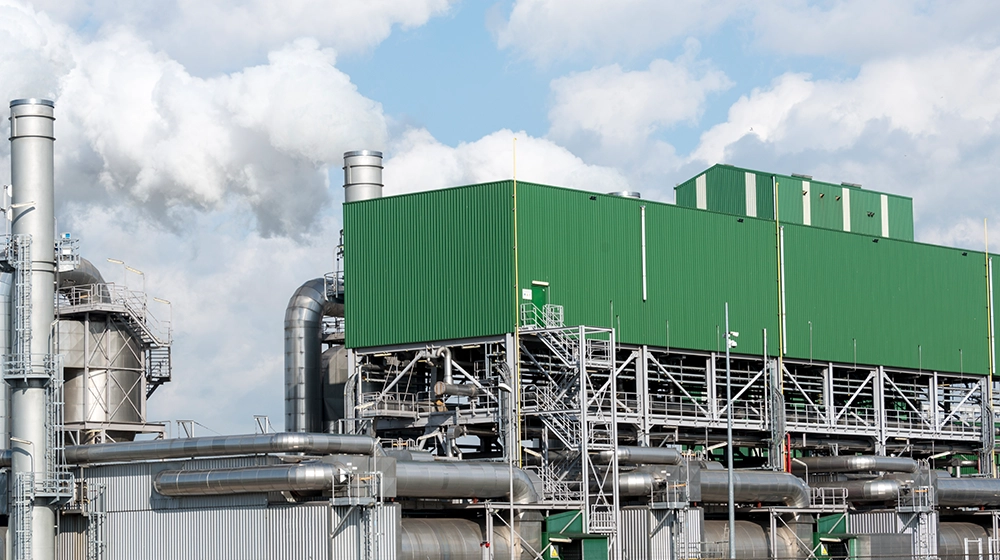
Wet electrostatic precipitators (Wet ESPs) efficiently remove sulfur trioxide (SO3) and sulfuric acid (H2SO4) mist from industrial flue gases, cutting down on visible blue plumes and related pollution. These systems use electrical forces to capture fine particulate matter, condensables, and acidic aerosols, blocking them from entering the atmosphere.
Power plants and industries burning high-sulfur fuels often rely on Wet ESPs. SO3 formation in these sectors leads to acid mist, which brings both environmental and regulatory headaches.
Wet ESPs have been around for more than a century. The technology charges particles in gas streams and collects them on wetted plates, where water constantly flushes them away.
This method works well for submicron particles and acid mists that dry electrostatic precipitators struggle to remove. Operators see better air quality and meet tougher environmental standards because these systems target pollutants like sulfuric acid aerosols, which cause blue plume opacity.
Wet ESP technology sits at the heart of modern emission control. Its connection to flue gas desulfurization (FGD), sulfuric acid mist formation, and visibility issues is well documented. According to a 2023 Babcock & Wilcox report, Wet ESPs remain vital for managing submicron acid mist and particulate matter in industrial exhaust streams.
Fundamentals of SO3 and H2SO4 Mist Formation
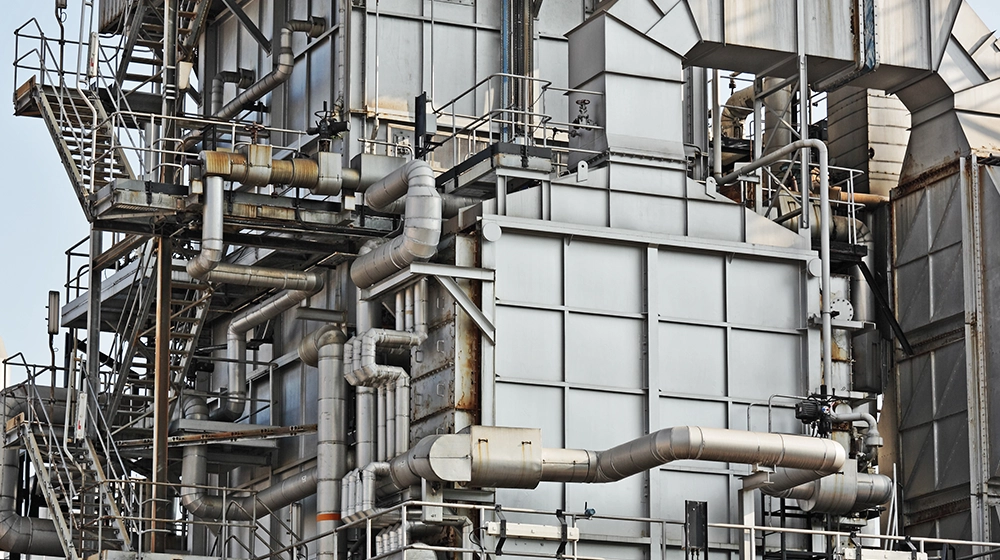
SO3 and sulfuric acid (H2SO4) mist arise from chemical reactions and physical changes in flue gas. Temperature and humidity play major roles in these processes.
Understanding SO3 conversion, acid dew point, and aerosol behavior is crucial for controlling pollution and blue plumes. These factors shape visible emissions and drive the need for abatement.
SO3 Conversion to Sulfuric Acid Mist in Flue Gas
Sulfur trioxide (SO3) in flue gas mainly comes from the oxidation of sulfur dioxide (SO2). When flue gas cools below about 700 K (427 °C), SO3 reacts with water vapor and forms gaseous sulfuric acid (H2SO4 vapor).
This vapor may stay invisible or condense, depending on cooling and moisture content. The shift from SO3 to sulfuric acid vapor is a key step in mist formation.
Sulfuric acid vapor can condense further into acid mist. These mists contain tiny droplets or aerosols, often submicron in size.
Such particles contribute to pollution and damage equipment. Their acidity and small size pose health risks as well.
The concentration of SO3 and available water vapor directly influences how much sulfuric acid forms. Flue gas composition drives the outcome.
Acid Dew Point and Condensation Mechanisms
The acid dew point marks the temperatureat whiche sulfuric acid vapor condenses into liquid acid mist. Sulfuric acid’s higher boiling point means the acid dew point sits above the water dew point.
When flue gas cools below this point, gaseous H2SO4 rapidly turns into liquid aerosols or mists. Condensation happens as volatile aerosols form when sulfuric acid vapor meets water droplets or cooler surfaces.
This condensation can occur suddenly and create visible acid mists if left unchecked. The acid dew point shifts with sulfuric acid concentration, flue gas moisture, and temperature, so it shapes the design of pollution control equipment.
Aerosol Formation and Blue Plume Phenomenon
Aerosols—tiny particles—form when sulfuric acid mist condenses in flue gas. These aerosols, mostly submicron, scatter light and cause visible blue or white plumes near stacks.
The blue plume comes mainly from fine acid droplets in the air. When flue gas cools and sulfuric acid aerosols multiply, blue plumes appear.
Such plumes signal poor sulfur emission control and create environmental and visual problems. Technologies like Wet Electrostatic Precipitators target these aerosols to cut plume visibility and acid mist emissions.
Controlling acid aerosols helps prevent corrosion and health risks linked to industrial emissions. Blue plume abatement remains a top priority for many facilities.
Challenges of SO3/H2SO4 Mist Removal
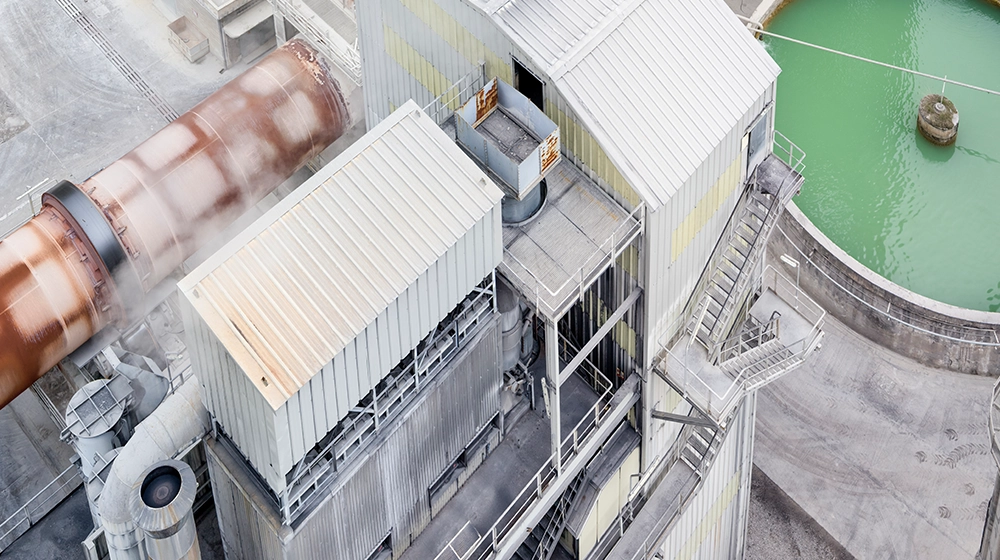
Removing SO3 and sulfuric acid (H2SO4) mist from flue gas is tricky. Their complex physical and chemical properties—temperature, particle size, and corrosive nature—impact removal efficiency and equipment lifespan.
These challenges shape how well wet electrostatic precipitators (WESPs) control blue plumes and environmental impact. The stakes are high for both compliance and reliability.
Physical and Chemical Characteristics of Acid Aerosols
SO3 in flue gas reacts quickly with moisture, forming sulfuric acid mist. These droplets usually measure less than one micron across.
Submicron particles are tough to catch because they stay suspended and slip through many filtration systems. Acid aerosols are hygroscopic, soaking up water and growing as they pass through cooler zones.
Their chemistry makes them highly corrosive and reactive, which affects both removal strategies and nearby equipment. The concentration and size of these aerosols change with flue gas conditions.
That variability demands precise control in WESP design and operation. Consistent removal efficiency hinges on careful tuning.
Impact of Flue Gas Temperature and Droplet Size
Flue gas temperature has a big influence on acid mist behavior and removal. High temperatures keep sulfuric acid droplets tiny and vaporized, which makes collection harder.
Cooling the gas lets droplets grow to a few microns, boosting capture rates in wet ESPs. Droplet size matters—larger droplets are easier to charge and collect, while very tiny ones under 1 micron can slip by collection surfaces.
Operators need to balance gas cooling and avoid condensation pitfalls. Poor temperature or droplet control can lower efficiency or even create new ultra-fine mist problems.
Corrosion and Environmental Concerns
Sulfuric acid mist leads to serious corrosion in flue gas systems. Acid condenses on metal surfaces at low temperatures, eating away at pipes, filters, and precipitator parts.
Materials must resist corrosion or require regular maintenance. Acid aerosols also raise environmental safety concerns—SO3 and H2SO4 emissions form visible blue plumes, contributing to acid rain and respiratory issues.
Minimizing acid mist release and protecting system components are both essential. Careful electrode setup and material selection in WESPs help reduce corrosion risk and keep emissions within regulatory limits.
Principles and Operation of Wet Electrostatic Precipitators (Wet ESPs)
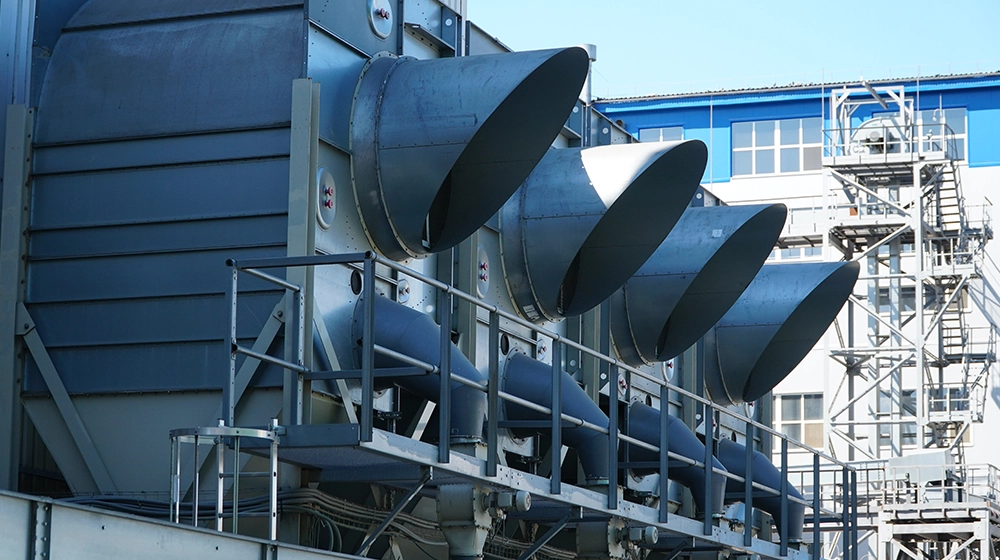
Wet electrostatic precipitators (Wet ESPs) pull fine particles, sulfuric acid mist, and SO3 aerosols out of industrial gases. They rely on electrical forces and water to snare pollutants, all while keeping the pressure drop low.
This technology is a mainstay for controlling blue plumes and acid mist in smelters and acid plants. Wet ESPs have become a fixture in these challenging environments.
Basic Design and Functionality
A wet electrostatic precipitator charges particles and acid mist with a high-voltage corona discharge. Negatively charged particles head toward positively charged collection plates.
Instead of dry rapping, water constantly washes the collected material off the plates. This nonstop flushing keeps the pressure drop low and prevents re-entrainment, a common headache in dry ESPs.
The wet interface also blocks corrosion and stops sticky acid mist from building up. Key parts include high-voltage power supplies, corona wires, and water wash systems.
Wet ESPs handle sub-micron particles that stump other methods. The design keeps efficiency high even with condensable sulfuric acid and other corrosive aerosols, making Wet ESPs essential in sulfuric acid manufacturing and metal smelting (Babcock & Wilcox, 2023).
Mechanisms for Acid Mist and Blue Plume Abatement
Wet ESPs tackle SO3 and H2SO4 mist using a controlled condensation method. Acid vapors condense into fine droplets on cooler WESP surfaces, then get charged and collected.
This process traps both liquid and solid acid aerosols. The fine droplets are the root cause of blue plumes when left unchecked, but Wet ESPs capture them at the sub-micron level, blocking visible emissions.
Continuous washing and a wet demister let the system handle both particles and acid mist without clogging or pressure spikes. Brownian diffusion helps catch the tiniest particles, further boosting collection rates.
The overall mechanism combines electrostatic charging, water washing, and condensation in one unit. High removal rates of acid mists and pollutants follow (TruWinR technology review, 2024).
Comparison with Other Mist Control Technologies
Wet ESPs, unlike dry ESPs, use water to flush collection surfaces and avoid corrosion or particle buildup. This design cuts maintenance and keeps the pressure drop low.
Wet ESPs outperform with sticky or acidic mist, like sulfuric acid, which can clog or damage dry systems. Demisters—often used downstream—grab bigger droplets but can’t remove sub-micron acid aerosols as well as Wet ESPs.
Scrubbers can remove acid mist, too, but they bring higher pressure drops and use more water. Wet ESPs strike a balance: low pressure drop, high removal efficiency, and recovery of valuable acid product.
Table: Comparison of Mist Control Technologies
| Technology | Efficiency (Sub-micron) | Pressure Drop | Maintenance | Acid Recovery |
| Wet ESP | High | Low | Moderate | Yes |
| Dry ESP | Medium | Moderate | High | No |
| Demister | Low | Low | Low | No |
| Scrubber | High | High | High | Partial |
Wet ESPs are a must where visible emissions and downstream equipment protection matter most. Their controlled operation makes them a top pick for industrial SO3 and sulfuric acid mist abatement (Dürr, 2022).
Removal Efficiency and Process Optimization in Wet ESPs
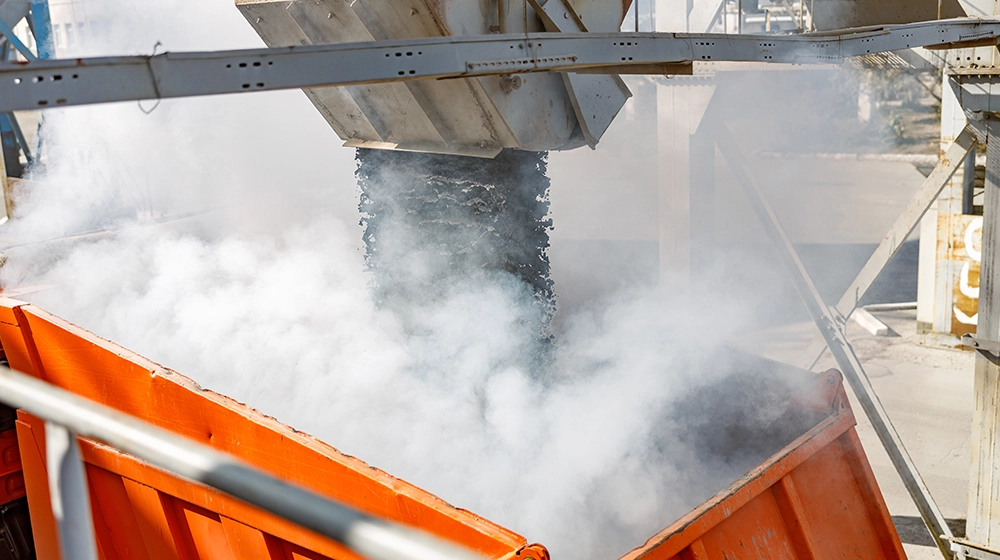
Wet electrostatic precipitators (ESPs) achieve high SO3 and sulfuric acid mist removal by tuning operational factors. Gas flow velocity, electrode setup, and water usage all play a role in maximizing performance.
Monitoring tools and integration with wet flue gas desulfurization (WFGD) systems further sharpen SO3 emission control and help cut visible plumes.
Factors Affecting SO3/H2SO4 Removal in Industrial Applications
SO3 and sulfuric acid mist removal hinges on the design and operation of the wet ESP. Low gas velocity—about 1 m/s or less—lets particles linger near electrodes, boosting capture rates above 90% in many cases.
Electrode arrangement and type shape the electric field, which then determines how efficiently particles get charged and collected. Water flow needs careful balance to avoid clogging and corrosion,n but still scrub particles effectively.
Choosing the right construction materials keeps sulfuric acid from eating away at equipment. Flue gas temperature control helps condense SO3 into acid mist, making it easier to trap in emissions from boilers or smelters.
Ultra-fine mist and insulator failures challenge wet ESPs, especially under tough industrial conditions. These issues show up at both pilot and full-scale operations.
Measurement and Monitoring Techniques
Precise measurement tracks SO3 and H2SO4 mist removal. Condensation particle counters (CPCs), electrical low-pressure impactors (ELPI/ELPI+), and scanning mobility particle sizers (SMPS) are the main tools for this job.
Operators use these devices to compare particle size and concentration before and after the ESP. The three-wavelength extinction method brings extra insight into aerosol optical properties, which helps with plume visibility control.
Continuous monitoring flags changes in flue gas makeup, so adjustments can be made quickly. This supports compliance with emission standards and lets teams optimizeoperational parameters in real time.
Integration with Wet Flue Gas Desulfurization
Wet ESPs often work alongside wet flue gas desulfurization (WFGD) scrubbers. WFGD systems cut SO2 and absorb leftover acid mist, cleaning up the flue gas stream.
This setup improves plume visibility and slashes secondary aerosol formation. Wet ESPs act as a final filter, catching sub-micron droplets that slip past WFGD units.
Lab-scale WFGD scrubbers help refine methods before scaling up. Together, these technologies build a strong flue gas treatment strategy for sulfuric acid aerosol control and PM2.5 reduction.
Blue Plume Abatement Strategies and System Design
Blue plumes show up when sulfur trioxide (SO3) and sulfuric acid (H2SO4) mist escape in flue gas. Tackling this problem means blending emission control technologies, mapping out the process flow, and customizing solutions for coal-fired units to cut down on visible and corrosive plumes.
The next sections dig into how wet electrostatic precipitators (wet ESPs) interact with selective catalytic reduction (SCR) and flue gas desulfurization (FGD) systems. There’s also a look at process flow, equipment layout, and how blue plume control works in coal-fired boilers.
Integration of Wet ESPs with SCR and FGD Systems
Wet ESPs target sulfuric acid mist after SCR and FGD steps. SCR systems cut NOx but can push SO2 to SO3, raising sulfuric acid risks.
Wet ESPs trap this acid mist, stopping plume formation and corrosion. In power plants, wet ESPs sit after SCR units and FGD scrubbers. FGDs knock down SO2 but sometimes turn leftover SO3 into fine aerosols, which wet ESPs then collect.
A well-integrated system handles both gaseous SO3 and sulfuric acid aerosols. This setup helps meet emission standards and keeps plumes in check, especially in coal-fired units with high sulfur content (see Babcock & Wilcox, 2023).
Process Flow and Equipment Layout
Flue gas leaves the boiler and enters the SCR system first. There, NOxdropsp,s and some SO2 converts to SO3.
Next comes the FGD system, which scrubs SO2. After that, the gas passes through the wet ESP for sulfuric acid mist capture.
This order maximizes removal efficiency. Wet ESPs spray water and use electrical fields to catch particles smaller than 1 micron, stopping them from reaching the air outside.
It’s important to avoid gas temperature drops before the SCR, as cooler gas can hurt catalyst efficiency. Acid-resistant materials are a must for wet ESPs and downstream ducts—industry experts stressed this in the 2024 study “Curbing the Blue Plume – SO3 Formation and Mitigation.”
Abatement of Blue Plume in Coal-Fired Units
Coal-fired boilers pump out more SO3 and sulfuric acid mist because of the high sulfur in the fuel. Blue plume is really just visible sulfuric acid aerosols reflecting light.
Upstream SO3 management starts with burner design and smart SCR catalyst choices. These steps limit how much SO3 forms.
Downstream, wet ESPs play a big role by removing acid mist and keeping visible plumes away. Wet ESPs also shield plant equipment from corrosive aerosols, which means longer gaps between maintenance shutdowns.
That’s especially important in coal-fired units, where plume abatement isn’t just a regulation—it’s a necessity.
Table: Key Abatement Focus Areas for Coal-Fired Units
| Focus Area | Approach | Benefit |
| SO3 Control | SCR catalyst optimization | Reduces SO3 formation |
| SO2 Removal | Flue gas desulfurization | Lowers precursor for SO3 |
| Mist Capture | Wet ESP installation | Eliminates acid plume & corrosion |
Emerging Research, Technologies, and Best Practices
Recent work zeroes in on boosting SO3 and H2SO4 mist removal and cutting blue plume formation. New measurement methods and hybrid systems improve pollutant capture. Tougher regulatory standards push environmental practices and advanced technologies to meet tight emission limits.
Advancements in Measurement and Control Approaches
Better measurement tools now spot sulfuric acid in both gas and aerosol forms. Techniques can separate homogeneous nucleation from heterogeneous condensation, which matters for targeting different H2SO4 mist types.
Multi-factor studies dig into reaction temperature, supersaturation, and quenching effects to fine-tune removal. Control methods usually combine alkaline and salt absorption, neutralizing sulfuric acid through heterogeneous reactions.
Quartz wool filtration has popped up as a way to catch submicron particles that slip by electrostatic collection. Real-time monitoring with advanced sensors lets operators tweak WESP performance as flue gas conditions change.
Hybrid and Multi-Stage Abatement Systems
Hybrid systems pair Wet ESPs with other tech to capture more pollutants. Multi-stage setups, like the 3-WEM (three-stage wet electrostatic precipitator), add pre-chargers or scrubbers to boost fine sulfuric acid aerosol removal.
These stages help where single-stage WESPs struggle—think high SO3 or sulfur-rich fuels. Alkaline absorption steps step up SO3 neutralization, while heterogeneous condensation grows droplets, making them easier for the WESP to catch.
Hybrid systems juggle energy use and capture rates, controlling both visible and hidden emissions, includinthe g blue plume from leftover aerosols.
Environmental and Regulatory Considerations
Regulations now demand sulfuric acid mist removal to stop secondary plumes that hurt air quality and visibility. Studies stress the need to control primary water droplets and secondary aerosol plumes using WESPs, matching new pollutant standards.
Operators focus on alkaline absorption efficiency, quenching temperature, and gas residence time to hit emission targets. Monitoring both gaseous and aerosol SO3 keeps operations compliant while shrinking plumes. These steps help cut PM2.5 and toxic metal emissions, supporting modern air quality goals.
Frequently Asked Questions
Wet Electrostatic Precipitators (WESPs) deliver strong control over SO3 and sulfuric acid mist emissions. Regular maintenance, tuning, and following regulations are key to reliable performance. WESPs also clear up blue plumes from stacks by catching fine aerosols.
What are the best practices for optimizing Wet Electrostatic Precipitator (WESP) performance for SO3/H2SO4 mist?
Keep electrical field strength and moisture levels in check. Control flue gas temperature and flow for solid particle charging and collection. Flush collection plates with water often to avoid buildup and keep things running smoothly.
How does a WESP contribute to reducing the visibility of a blue plume from a stack?
Wet ESPs grab sulfuric acid aerosols, the main source of blue plumes, from flue gases. By trapping these tiny droplets, visible mist doesn’t form, so plume opacity drops and stack gas looks clearer.
What are the regulatory standards for SO3/H2SO4 emissions that WESPs must comply with?
Rules usually cap sulfuric acid mist emissions at very low levels—think parts per million or milligrams per cubic meter. Environmental agencies set these standards, and operators need to monitor and control sulfur trioxide and acid mist to stay compliant.
Can wet electrostatic precipitators be retrofitted to existing industrial installations for improved mist and plume control?
Retrofitting WESPs to existing stacks and scrubber setups is often possible. This upgrade tightens control over sub-micron aerosols without huge process changes. It’s a practical way to cut plume visibility and meet newer emission limits.
What are the maintenance requirements for a WESP system in high-sulfur applications?
Burning high-sulfur fuel generates more sulfuric acid mist, so frequent plate cleaning and water flushing matter even more. Electrical components need regular checks for corrosion, and voltage must stay optimal. These steps prevent fouling and keep mist removal effective.
How do WESP systems compare to other SO3/H2SO4 mist abatement technologies in terms of efficiency and cost?
WESP systems remove fine acid aerosols and sub-micron particles better than dry ESPs or scrubbers. That’s a big advantage for strict emission limits.
Capital and operating costs for these systems usually sit in the moderate range. Water use drives up maintenance needs, so that’s something operators need to consider.