
Demister Carryover: Mesh vs Chevron vs Fiber Bed Limits Compared
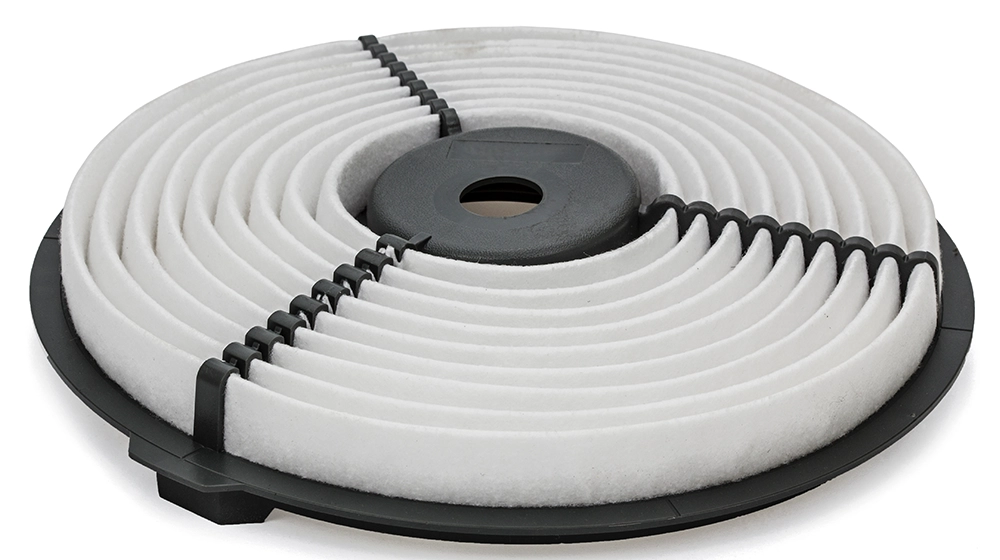
Mesh, chevron, and fiber bed mist eliminators all limit demister carryover differently because of their unique designs and how they operate. Mesh mist eliminators use dense wire mesh to trap droplets, but high gas velocities can flood the mesh and let more liquid pass through.
Chevron (vane) separators drain liquid better and handle higher flow rates with less carryover, but smaller droplets can slip past. Fiber bed eliminators stand out for removing fine aerosols and submicron particles, hitting the lowest carryover limits where fine mist control matters most.
Industrial processes like wet scrubbers and vapor recovery units need the right separator. Droplet size capture, pressure drop, drainage, and flooding risks all shape how each mist eliminator type blocks liquid carryover.
Brands with deep industrial experience and technical data on mesh densities or vane designs help match the right mist eliminator to specific flow conditions (Mach Engineering, 2023; Kimre, 2024).
Demister Carryover: Fundamentals and Performance Limits
Demister carryover means liquid droplets move with gas streams after separation. This limits mist eliminator efficiency and can hurt product quality or equipment safety.
Carryover depends on causes, influencing factors, and measurement methods. These details drive the choice and design of mesh pads, chevron vanes, and fiber beds.
Definition of Demister Carryover
Carryover is the amount of liquid droplets that escape from demisters or entrainment separators with the gas phase. This happens when the mist eliminator misses some liquid particles.
Carryover reduces separation efficiency and can cause product loss or corrosion in downstream equipment. Its presence shows the demister’s limit in removing entrained liquids from gas streams.
The demister type—mesh pads, chevron vanes, or fiber beds—shapes the carryover rate. Droplet size and distribution play a big role in the actual carryover levels.
Factors Affecting Carryover
Carryover depends on droplet size, gas velocity, demister design, and liquid loading. Smaller droplets are tougher to catch and increase the risk of carryover.
High gas velocity can re-entrain liquid, pushing carryover up. Mesh density and materials also matter; a tighter mesh lowers carryover but can flood.
Process conditions—temperature, pressure, and corrosive fluids—change performance. Installation factors like pad support or ring gaps might create bypass paths, boosting carryover.
- Mesh pads trap fine droplets but risk flooding.
- Chevron vanes handle high liquid loads but let smaller droplets pass.
- Fiber beds balance efficiency and robustness, often working well with heavy mist loads.
Carryover Measurement and Standards
Engineers measure carryover by checking liquid droplets in vapor streams after the demister. Typical methods use liquid sampling or inline droplet analyzers downstream.
Industry standards for carryover rates usually call for less than a few ppm (parts per million) of liquid in gas. Some processes demand even tighter limits for product purity.
Inspection and maintenance keep demisters within spec. Visual checks, pressure drop monitoring, and throughput analysis spot performance drops.
One report from Eng-Tips (2023) highlights that better ring support reduces bypass and carryover, making measurement more reliable.
Mesh Pad Mist Eliminators: Carryover Thresholds
Mesh pad mist eliminators show up in many industrial processes to separate liquid droplets from gas. Their effectiveness hinges on mesh design and operating conditions, which control how much liquid leaks through as carryover.
Operating Principle of Mesh Pads
A mesh pad, sometimes called knitted mesh, works by making the gas stream move through a tight network of wires. Droplets hit the mesh fibers thanks to inertial impaction and Brownian motion.
Larger droplets slam into the mesh because inertia keeps them from following gas streamlines. Smaller droplets bounce around randomly and stick to wires, then merge into bigger droplets that drain down by gravity or airflow.
Mesh design—wire diameter, density, and pad thickness—shapes how well the pad catches droplets. Mesh pads use physical capture, not filters or chemicals.
Mesh Pad Efficiency and Design Constraints
Mesh pad efficiency depends mostly on droplet size, wire diameter, surface area, and gas velocity. Thicker pads with finer wires catch more droplets but bump up the pressure drop.
Designers juggle efficiency and pressure loss. High efficiency can cut carryover below 10 ppm, sometimes lower in ideal setups. But fine mesh or thick pads also raise resistance, limiting max gas flow rates.
Some mesh pads use layers with different mesh sizes to catch a wider range of droplets. This can help, but complex or fine structures foul or corrode faster, lowering efficiency over time.
Mesh Pad Limitations and Typical Carryover Values
Mesh pads struggle with mist droplets under about 5 microns. Catching these needs very dense mesh, which drives up pressure drops. Typical carryover values run from 1 to 50 ppm liquid—above that, chevron or fiber bed eliminators might work better.
Carryover spikes if gas velocity goes above pad limits or fouling shrinks the capture area. Mesh pads don’t handle liquid slugs well and might re-entrain droplets.
Chevron (Vane) Mist Eliminators: Performance Boundaries
Chevron mist eliminators force gas streams through angled vanes. Droplets hit these vanes and get knocked out by impact.
The design balances liquid capture with gas flow, but droplet size, gas velocity, and vane spacing set the limits. Knowing these limits helps control carryover in industrial processes.
Functionality of Chevron Mist Eliminators
Chevron, or vane, mist eliminators use zig-zag metal or plastic blades to make gas take a winding path. As gas moves through, droplets slam into angled surfaces and drop out. This is inertial impaction in action.
The setup removes bigger droplets and some smaller ones under normal flow. Vane spacing, blade angle, and material all shape performance. Chevron designs help in systems where fouling is a problem.
Chevron Carryover Control Mechanisms
Chevrons cut carryover mainly by direct impact and centrifugal force. The gas stream changes direction fast, making droplets hit vane surfaces and collect.
Captured liquid drains down by gravity. Vane spacing and surface design affect removal. Smooth blades resist buildup but may catch less; hooked or serrated vanes grab more droplets but can foul. Gas velocity control is key—too fast, and droplets get re-entrained, raising carryover.
Practical Carryover Limits for Chevrons
Vane mist eliminators work best for droplets above about 10 microns. Smaller droplets can ride the gas stream and escape.
Gas velocities usually top out around 15 m/s for good efficiency. Carryover rates for chevrons can drop to 10–100 ppm liquid by volume if conditions are right.
Vane mist eliminators work best with moderate liquid loads and steady gas flow. For submicron droplets or very fast gas, fiber bed mist eliminators might be the only option.
Chemical Processing Magazine (2023) notes vane mist eliminators perform well inside these limits, but efficiency drops fast if velocity or droplet size moves outside the sweet spot.
Fiber Bed Mist Eliminators: Carryover Capabilities
Fiber bed mist eliminators beat mesh and chevron types for controlling liquid droplet carryover. Their design fits many industrial needs, especially for fine droplets and submicron particles.
How Fiber Bed Mist Eliminators Work
Fiber bed mist eliminators use a dense mat of fine fibers to catch droplets from gas streams. Gas moves horizontally through the fiber bed, and droplets collide with fibers by impaction, interception, and Brownian motion.
The mat slows airflow and bumps up droplet collisions. Droplets merge on fibers and drain down. The mix of fiber sizes helps catch a wide range of droplets, including very fine mist that mesh or vane types often miss.
Fiber beds often combine several layers or mix fiber and metal mesh. This balances pressure drop with capture efficiency. Dense fiber beds excel at catching droplets under 1 micron, common in sulfuric acid mist removal or chlorine gas drying.
Limits of Fiber Bed Mist Eliminators
Fiber bed mist eliminators do have limits. Pressure drop across the fiber bed runs higher than mesh or chevron demisters because airflow faces more resistance.
Heavy particulate or sticky liquids can clog fibers, driving up pressure drop and cutting efficiency until cleaned or replaced.
Temperature and chemical compatibility also limit fiber bed use. Most fibers are synthetic or glass-based, so high heat or harsh chemicals can break them down.
Choosing the right fiber bed depends a lot on droplet size, velocity, and gas chemistry. A bad match means more maintenance and weaker performance.
Unique Advantages for Submicron Droplets
Fiber bed mist eliminators outperform mesh and chevron styles when capturing submicron droplets. These tiny droplets, tricky to remove, behave unpredictably.
Brownian motion—the random movement of particles—causes fine droplets to collide with fiber surfaces more often. This boosts capture rates, especially for aerosols below one micron.
Processes generating acid mist or fine industrial sprays rely on fiber beds. Efficiency often exceeds 99.9%, cutting liquid carryover and shielding downstream equipment from corrosion.
The multi-layer structure and coalescing action in fiber beds lower the risk of droplet re-entrainment. This helps meet strict environmental regulations and slashes emissions.
According to a 2023 report by Industrial Filtration News, fiber beds can reduce carryover by factors of 100 or more compared to standard mesh units.
Comparative Analysis: Mesh vs Chevron vs Fiber Bed Carryover
Demister carryover depends on the design and materials of mesh pads, chevrons, and fiber bed mist eliminators. Each type sets its own limit on liquid passing through gas streams.
Knowing these limits helps select the right mist eliminator for each process. This choice makes a big difference in performance and contamination control.
Key Differences in Carryover Limits
Carryover means liquid droplets slip through a demister into the gas stream. Mesh pads, with fine wire construction, capture small droplets well and keep carryover low.
Chevron (vane) mist eliminators use a zig-zag plate design. These units handle higher gas velocities but let more fine mist through.
Fiber bed mist eliminators, packed densely with fibers, set the lowest carryover limits. The tradeoff? Higher pressure drops.
Droplet size, gas velocity, and liquid load all matter. Fiber beds shine with droplets below 10 microns. Mesh pads do best with medium droplets. Chevrons handle large droplets but pass more fine mist.
Strengths and Weaknesses by Application
Mesh pads work well in low-pressure drop scenarios. Installation is easy. These pads excel with moderate liquid loads and small droplets.
Sticky liquids foul mesh pads quickly. That’s a clear weakness.
Chevron units, made with solid plates, resist fouling. These are better for high gas velocities and liquids that would clog the mesh.
Chevrons, though, let more fine mist pass and offer less separation efficiency.
Fiber bed mist eliminators remove fine droplets with high efficiency. Chemical processing and applications needing ultra-low carryover benefit most.
Drawbacks include higher pressure drop and more maintenance, since densely packed fibers trap solids.
Selection Criteria for Industrial Processes
Choosing between mesh, chevron, and fiber bed depends on process details. For low pressure loss with moderate separation, mesh pads usually make sense.
For high-velocity gas streams with fouling risks, chevron demisters are the top pick. These handle large droplet carryover and resist clogging.
Where ultra-low carryover matters—think sensitive chemical or steam systems—fiber beds lead the pack. Droplet size, gas flow rate, and liquid composition all influence the choice.
Cost, maintenance, and space matter, too. Mesh pads cost less, while fiber beds sit at the expensive end.
Performance Optimization Strategies
Boosting mist eliminator performance means matching design to real operating conditions. Sometimes, combining types works best. For example, a mesh pad before a fiber bed catches large droplets first.
Regular cleaning keeps carryover down, especially for mesh and fiber beds. Adjusting gas velocity through system controls can help capture more droplets without spiking the pressure drop.
Proper sizing—factoring in droplet size and liquid load—improves efficiency. Fiber beds and mesh pads need careful sizing for fiber density and mesh layers.
Chevron spacing and angle must balance carryover limits with pressure drop. A 2023 Industrial Filtration Review report found that optimizing these factors can cut carryover by up to 70% in industrial gas streams.
Application-Specific Considerations and Best Practices
Effective mist eliminator performance comes from matching the device to gas and liquid properties, nailing the design, and fixing carryover issues fast. Different scrubber systems need specific selection and operating strategies to control particulate matter and stop liquid carryover in the gas phase.
Influence of Gas and Liquid Properties
Gas velocity, moisture, and particulate size all affect mist eliminator efficiency. High gas velocity pushes droplets through mesh, chevron, or fiber bed units, raising carryover risk.
Scrubbers facing corrosive or abrasive particulates must use tough, chemical-resistant materials. Liquid properties like viscosity and density shape droplet formation.
Heavier droplets come out easily with chevron designs. Fine mists need dense mesh pads or fiber beds with tight voids. Oily or sticky liquids cause fouling, raising pressure drops and cutting efficiency.
Selection must factor in these gas and liquid attributes to optimize removal and keep pressure loss low. A 2023 KLM Technology Group guideline says mesh pre-coalescers followed by vane mist eliminators often handle variable conditions best.
Design and Sizing Recommendations
Getting the size right means the mist eliminator hits the required separation without too much pressure drop. Design should target specific droplet sizes and flow rates.
For droplets over 20 microns, chevrons remove nearly everything with little resistance. Mesh pads, used first, coalesce small droplets into larger ones before passing to a vane type.
Fiber beds handle very fine particulate matter or aerosols, giving high efficiency but with a pressure penalty. Undersizing leads to flooding, carryover, and more maintenance.
Mesh density and pad thickness must balance efficiency with operational capacity. A 2022 Mach Engineering report found that tighter mesh captures droplets better but increases pressure drop and clogging risk.
Troubleshooting Persistent Carryover
Persistent liquid carryover usually signals flooding, fouling, or a poor mist eliminator choice. Flooding happens when the liquid flow overwhelms the device, especially with dense mesh pads.
Check for increased pressure drop, visible liquid in the gas outlet, or sudden drops in scrubber performance. Cleaning or swapping out demister pads with solids or oily buildup can restore function.
Switching to a mesh and vane combo or upsizing the unit often fixes long-term issues. Monitoring gas phase conditions and inspecting the mist eliminator regularly keeps unexpected carryover down.
A Becht 2021 whitepaper notes that addressing flooding fast can improve gas-liquid separation by a factor of 100 or more.
Frequently Asked Questions
Demister carryover varies by design, media, and operating conditions. Mesh, chevron, and fiber bed types all offer different trade-offs in efficiency, pressure, and maintenance needs.
What are the comparative efficiencies of mesh, chevron, and fiber bed demisters for liquid carryover reduction?
Chevron demisters usually achieve the highest removal efficiency, often close to 100%. The vane design forces droplets to change direction and coalesce.
Mesh pads perform well for moderate droplet sizes, with efficiency tied to mesh density. Fiber bed demisters rely on Brownian diffusion and media density, excelling at grabbing very fine droplets.
How do mesh pad, chevron, and fiber bed demisters differ in terms of their operational limits?
Mesh pads handle lower gas velocities and moderate vapor loads. These units can clog if overloaded.
Chevron demisters tolerate higher velocities with low-pressure drop but need proper sizing to avoid droplet re-entrainment.
Fiber beds, typically designed for horizontal gas streams, may be limited by media packing density and pressure drop constraints.
What factors influence the selection of demister types for specific industrial applications?
Consider gas velocity, droplet size and concentration, pressure and temperature, installation orientation, and allowable pressure drop. Applications with fine mist often use fiber bed demisters.
High flow rates and heavy liquids usually call for chevron designs. Maintenance and cost also play a role.
Can fiber bed demisters be used effectively in high-pressure environments compared to mesh or chevron types?
Fiber bed demisters can run inmoderate-pressuree environments, but pressure drops run higher than with mesh or chevron types. The fine media structure limits effectiveness in very high-pressure or high-velocity systems.
Chevron demisters often perform better in those cases due to lower resistance to flow.
What are the maintenance and longevity considerations for each type of demister?
Mesh pads need regular cleaning to prevent clogging and keep efficiency up. Chevron demisters usually need less maintenance but should be checked for damage or corrosion.
Fiber beds are sensitive to fouling and media degradation, so periodic replacement or cleaning is needed, depending on process contaminants.
How do the costs of installation and operation compare between mesh, chevron, and fiber bed demister systems?
Mesh pads usually cost the least to install. Maintenance for mesh pads, though, tends to add up over time.
Chevron demisters need more money upfront because of their complex build. On the bright side, chevron units often lower operating costs thanks to less pressure drop.
Fiber bed demisters bring higher costs, mostly from media replacement and pressure losses during use. These costs can catch operators off guard if not factored in early.