
Acid Gas Control: DSI vs SDA vs WFGD Strategies Compared for Optimal Emission Reduction

Acid gas control relies on three core technologies: Dry Sorbent Injection (DSI), Spray Dryer Absorber (SDA), and Wet Flue Gas Desulfurization (WFGD). Each method brings its own mix of strengths and trade-offs. Factors like plant size, specific emissions targets, and budget play a big part in picking the right tool for the job.
These air pollution control solutions cut down sulfur dioxide (SO2) and other acid gases from industrial sources. Coal-fired power plants and biomass boilers, among others, depend on these technologies.
DSI offers a lower-cost approach by injecting dry alkaline substances into the flue gas stream, neutralizing acid gases on contact. SDA blends spray drying with sorbent injection, using a semi-dry process. WFGD, on the other hand, uses a wet scrubber system that delivers high SO2 removal efficiency.
Operators need to know how these flue gas desulfurization methods stack up. That way, facilities can match the right solution to emissions control requirements and regulatory demands.
This article digs into how each technology works, what it does well, and where it falls short. Industry data and environmental guidelines inform the comparisons. The broader context of acid gas control strategies and air pollution rules gets some attention, too.
Acid Gas Control in Power Plants
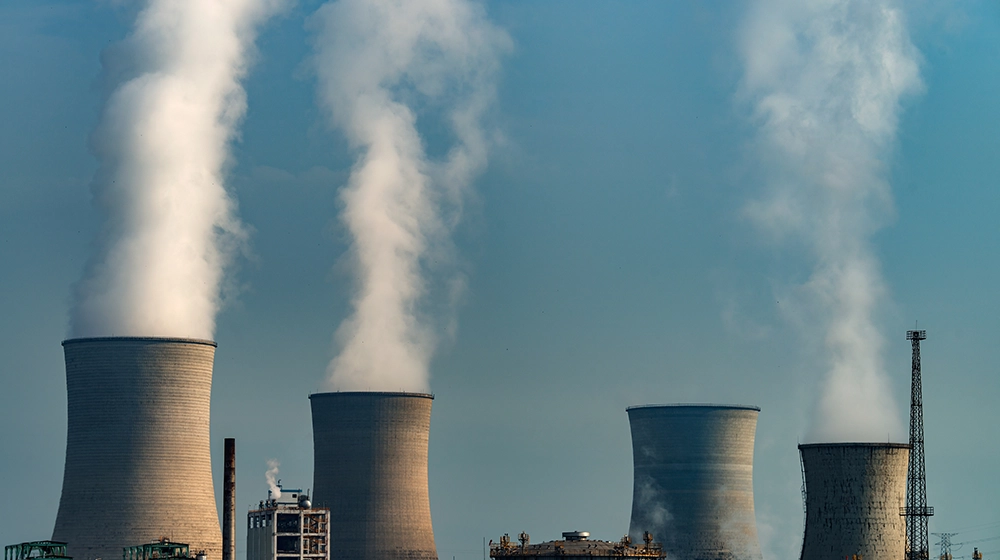
Coal-fired power plants release a cocktail of acid gases during combustion. Keeping these emissions in check is critical for environmental compliance and public health.
Technologies like DSI, SDA, and WFGD have become standard gear in this fight.
This section breaks down which acid gases matter most, how they affect the environment and health, and the regulatory hoops power plants need to jump through.
Key Acid Gases and Their Impact
The main acid gases coming out of power plants are sulfur dioxide (SO2), sulfur trioxide (SO3), hydrogen chloride (HCl), and hydrogen fluoride (HF). SO2 stands out as the most significant—big driver of acid rain and respiratory issues.
SO3 forms sulfuric acid mist. That stuff corrodes equipment and messes with visibility. HCl and HF, though less abundant, are nasty—highly corrosive and dangerous to people.
Cutting these emissions means less acid rain, better air, and longer-lasting infrastructure. Each technology handles gases differently. DSI works well for SO2 and HCl, but not as much for SO3. WFGD is a powerhouse for SO2 and also grabs HCl and HF.
Regulations and Compliance Standards
Power plants face tough limits on acid gas emissions. The U.S. Environmental Protection Agency (EPA) sets the bar with the Clean Air Act, targeting SO2 and other acid gases.
Many countries require continuous emissions monitoring. Coal-fired plants need to report what they emit. Hitting compliance targets often means combining several control technologies.
Staying within the rules helps power plants avoid fines and forced shutdowns. It also nudges facilities toward low-cost fixes like DSI, or more comprehensive setups such as WFGD or SDA. Plant size and fuel type influence the choice.
A 2010 Babcock & Wilcox report points out that adapting to changing regulations keeps technology deployment moving forward.
Principles of Acid Gas Removal
Acid gas removal hinges on chemical reactions. Harmful gases like SO2 and HCl get converted into less dangerous substances. The method of injection and the equipment used to catch solids matter a lot.
Devices that separate particles ensure the process works as intended.
Chemistry of Acid Gas Capture
Alkaline substances in the flue gas stream neutralize acid gases such as SO2, HCl, and SO3. In DSI, a dry powder—usually sodium bicarbonate or hydrated lime—reacts with acid gases, forming solid salts that can be collected.
WFGD uses a wet slurry of limestone or lime. That slurry absorbs SO2 and turns it into gypsum. The action happens mainly through absorption and chemical reaction in a wet setting.
SDA sits in the middle. It sprays a slurry of alkaline sorbent into the gas stream, causing a quick reaction and making dry solids. These get captured down the line.
The temperature, sorbent type, and gas flow all influence the reaction. Good acid gas capture means lower emissions and less equipment damage.
Role of Particulate Control Devices

Particulate control devices pull solids like fly ash and byproducts from the flue gas after acid gas treatment. Meeting emission limits depends on how well these devices perform.
Electrostatic Precipitators (ESPs) use electric charges to grab particles. Coal-fired plants use ESPs a lot, but performance can suffer when highly reactive dry sorbents are injected.
Baghouses rely on fabric filters to trap particles. These filters excel with DSI and SDA processes, especially when sorbent particles and fly ash are mixed together.
Reducing particulate emissions keeps reaction products and fly ash out of the air and shields plant equipment. The choice between ESP and baghouses depends on fuel, cost, and emissions goals.
The combination of chemical reactions and particulate capture defines the effectiveness of acid gas removal strategies.
Dry Sorbent Injection (DSI) Strategies
Dry Sorbent Injection uses powdered alkaline materials to cut down acid gases in industrial flue gases. The approach involves injecting dry sorbents—hydrated lime, sodium bicarbonate, or trona—into the gas stream. These substances react with acid gases, neutralizing them.
Key aspects include how the sorbent reacts, which materials work best, and how to gauge the system’s performance.
Working Mechanism of DSI
DSI injects powdered dry sorbents into the flue gas duct. Alkaline powders react with acid gases like SO2, HCl, and HF, creating solid salts.
Air or gas carries the sorbent into the flue, mixing with hot gases. Reaction time and temperature matter for effectiveness.
Filters—fabric baghouses or electrostatic precipitators—catch the resulting particulates. These filters remove salts and unused sorbent before the gas exits the stack.
DSI doesn’t use water, which means lower capital costs and no sludge problems. It’s a solid choice for medium- and small-scale boilers, offering simplicity and cost savings over wet scrubbers.
Sorbent Selection: Hydrated Lime, Sodium Bicarbonate, and Trona
Hydrated lime, sodium bicarbonate, and trona are the go-to sorbents for DSI. The choice depends on gas composition and budget.
- Hydrated Lime: High reactivity with SO2 and other acid gases. Performs best at 300°F to 600°F. Often the pick when cost matters most.
- Sodium Bicarbonate: Fast reaction rate and can neutralize SO2, HCl, and HF. Works at lower temps (300°F to 450°F). More expensive, but less is needed.
- Trona: Naturally occurring sodium mineral. Cheaper than sodium bicarbonate, but it needs more time to react. Mainly used for SO2 control.
Target pollutants, flue gas temperature, and spending limits drive the decision. Sodium-based sorbents react quickly but cost more. Lime is cheaper and handles a wider temperature range.
Performance and Efficiency Metrics
DSI performance gets measured by how much acid gas it removes and the amount of sorbent consumed. Removal efficiency for SO2 usually lies between 30% and 70% with hydrated lime or sodium bicarbonate.
Efficiency depends on sorbent type, injection spot, temperature, and gas makeup.
Key performance indicators:
- Sorbent Utilization: How much of the injected sorbent reacts, versus what leaves as unreacted dust.
- Acid Gas Removal Rate: The drop in acid gas levels after treatment.
- Particulate Collection Efficiency: Since the reaction forms solids, strong particulate controls are a must.
Effective DSI balances injection rate, sorbent cost, and emission limits. Running at the right temperature and picking the best sorbent are essential.
A 2023 Industrial Air Pollution Control Association report (“Dry Sorbent Injection Technologies”) found that most DSI systems hit acid gas removal targets while keeping operational costs down. That makes DSI a practical pick for smaller power and industrial boilers.
Spray Dryer Absorber (SDA) Approaches
Spray Dryer Absorber (SDA) systems play a big role in acid gas control for industrial and utility boilers. The process uses lime slurry and a semi-dry method to remove sulfur dioxide (SO2), hydrochloric acid (HCl), and other acidic gases.
Efficient operation depends on solid lime slurry prep, proper atomization, and tight integration with particulate matter (PM) control devices like baghouses or ESPs.
Operational Process of SDA
At the heart of SDA: the semi-dry flue gas desulfurization process. The system sprays a fine mist of alkaline slurry—usually hydrated lime or limestone—into the hot flue gas. The slurry reacts with SO2 and HCl, forming dry, stable salts.
As the flue gas moves through the absorber, it dries out, leaving a dry product for collection.
The process takes place in a spray dryer absorber chamber. Here, slurry atomization, gas contact, and drying all happen at once.
Unlike wet FGD systems, SDA doesn’t saturate the flue gas with moisture. That means less wastewater and a smaller system footprint.
Typical SDA installations target utility boilers burning low- to medium-sulfur coal, as well as waste-to-energy units needing acid gas and particulate controls.
Lime Slurry Preparation and Application
Lime slurry prep is a make-or-break step for SDA. Hydrated lime or lime gets mixed with water to form a slurry with the right concentration and particle size.
The lime’s chemical makeup and reactivity set the tone for how well it neutralizes acid gases.
Slurry pH and solids content need careful control—no one wants clogged nozzles in the spray dryer absorber. A rotary atomizer breaks the slurry into billions of tiny droplets, boosting surface area for reaction.
The droplets meet acidic pollutants, reacting to form calcium sulfite and calcium chloride solids. Good slurry application means better gas absorption and higher removal rates for SO2 and HCl.
Integration with PM Control Devices
After the absorber, flue gas exits as a dry gas with suspended solid particles. These include reaction products and leftover lime solids that must be removed.
SDA units link up with PM control devices—baghouses or ESPs—to catch these solids. Baghouses use fabric filters for fine particulate, while ESPs rely on electric charges.
Picking the right PM control device shapes the system’s design and maintenance needs. Baghouses handle SDA dry solids well but need regular filter cleaning. ESPs manage larger volumes but may miss very fine particles.
Integration with PM controls ensures environmental compliance and keeps particulate emissions in check.
Wet Flue Gas Desulfurization (WFGD) Solutions
Wet Flue Gas Desulfurization uses limestone slurry to scrub sulfur dioxide (SO2) from flue gas in coal-fired power plants. This process cuts sulfur emissions to meet tough regulations.
Key steps include SO2 absorption, reaction product handling, and managing byproducts like gypsum.
A closer look at the limestone slurry process, system components, and gypsum management shows how WFGD delivers reliable results for large-scale power generation.
Limestone Slurry Absorption Process
The limestone slurry absorption process sits at the heart of WFGD systems. Finely ground limestone mixes with water to form a slurry, which reacts with SO2 in flue gas.
As flue gas travels through the absorber tower, SO2 dissolves and reacts with calcium carbonate in limestone. This forms calcium sulfite, which then oxidizes into gypsum—calcium sulfate dihydrate.
Removal rates for SO2 reach up to 95% or more in this setup. Several factors shape the reaction: slurry pH, temperature, concentration, and gas flow all matter.
Limestone slurry keeps costs lower, thanks to limestone’s abundance and affordability compared to other sorbents. WFGD’s flexibility with different coal types has made it a mainstay in coal-fired power plants.
Process Flow and Critical Components
The main parts of a WFGD system are the absorber tower, slurry prep tanks, oxidation tanks, and pumps. Flue gas rises through the absorber while limestone slurry sprays downward.
This counterflow increases contact, boosting SO2 absorption. Operators monitor and tweak slurry pH to keep reactions running smoothly.
After SO2 absorption, the slurry heads to oxidation tanks. Air gets introduced here to convert calcium sulfite into gypsum.
Pumps recirculate the slurry and keep the system moving. Mist eliminators catch moisture droplets before the cleaned gas exits, while blowdown systems manage solids.
System reliability depends on careful slurry chemistry, preventing scale, and keeping support equipment working under shifting coal feeds and loads.
Gypsum Production and Byproduct Handling
Gypsum emerges as the main byproduct in wet FGD systems. Calcium sulfite in the slurry oxidizes and becomes calcium sulfate dihydrate. Thickeners and filters dewater the gypsum slurry.
The result? High-purity gypsum that’s ready for construction materials like drywall or cement. Selling gypsum cuts waste and brings in some revenue.
Handling byproducts demands tight control over water balance and solids removal. Otherwise, fouling or discharge headaches can follow.
Some plants store gypsum or send it to landfills if there’s no buyer. Efforts continue to bump up gypsum purity and manage water more tightly.
A 2023 Electric Power Research Institute report, “Conditions Impacting Treatment of Wet Flue Gas Desulfurization Wastewater,” highlighted the importance of gypsum handling and water recovery for system sustainability.
Comparative Analysis: DSI vs SDA vs WFGD
Dry Sorbent Injection (DSI), Spray Dryer Absorber (SDA), and Wet Flue Gas Desulfurization (WFGD) tackle acid gases like sulfur dioxide (SO2) in different ways. Each method brings unique trade-offs in removal efficiency, costs, environmental impacts, and suitability for various industries.
Removal Efficiencies for SO2
WFGD systems lead the pack for SO2 removal, often clearing out over 90%. Coal-fired power plants with strict emissions rules use WFGD for its thorough scrubbing.
SDA typically removes 70% to 90% of SO2. It sprays lime slurry into the gas stream, reacting with SO2 and reducing emissions, though not as completely as WFGD.
DSI is the simplest route, achieving 40% to 70% removal. Dry alkaline sorbents get injected into flue gas, making DSI handy for situations where moderate or short-term reductions suffice.
Operational Costs and Retrofit Feasibility
DSI keeps costs low. The setup is simple, maintenance is light, and there’s no need for water or slurry. Plants can retrofit DSI easily, but frequent sorbent refills are part of the deal.
SDA falls in the middle for operating costs. The system needs a slurry prep setup and spray dryer, which adds energy use and maintenance. SDA fits many retrofits but often requires more space and upgrades.
WFGD comes with the highest capital and operational costs. Large scrubbers, pumps, and a wet slurry system mean more water use and tougher waste handling. Retrofitting WFGD is a big project, but it’s worth it for plants under tight SO2 limits.
Environmental Impacts and Byproducts
WFGD generates wet gypsum, which can be sold or safely disposed of. Wastewater treatment is a must before discharge. WFGD also cuts emissions of SO3, HCl, and HF, not just SO2.
SDA produces dry byproducts—mainly calcium sulfite and sulfate salts. These need handling but create less liquid waste. Multiple acid gases are reduced, but not as thoroughly as with WFGD.
DSI leaves behind dry sorbent residue mixed with fly ash. Disposal is straightforward, and no water means fewer wastewater worries. Particulate emissions might be higher than with wet systems, and environmental benefits depend on the chosen sorbent.
Application Suitability by Industry
WFGD systems show up mostly in big coal-fired power plants needing strict SO2 control. These facilities usually have the water supply and waste management infrastructure to support WFGD.
SDA works for medium-sized power plants and industries after moderate SO2 reduction. SDA is a good fit where space is tight or water is limited.
DSI fits smaller or older plants with less demanding emission targets. Industries use DSI as a temporary fix or as backup, including in some boilers and waste incinerators.
| Technology | SO2 Removal Efficiency | Operational Cost | Byproduct Type | Ideal Use Case |
| WFGD | 90%+ | High | Gypsum (wet) | Large coal plants with strict limits |
| SDA | 70%-90% | Medium | Dry salts | Medium power plants, limited water access |
| DSI | 40%-70% | Low | Dry sorbent residue | Small plants, short-term or supplemental use |
A 2023 Thermax report, “Flue Gas Desulfurization Technologies Overview,” points out that these methods vary widely in efficiency and costs. Operators need to match solutions to their specific emission goals and site conditions.
Frequently Asked Questions
Acid gas control tech comes in many shapes and sizes. Each method tackles sulfur dioxide and other acid gases differently, and the best fit depends on the industry and site needs.
What are the primary differences between Dry Sorbent Injection (DSI) and Spray Dryer Absorber (SDA) systems in controlling acid gas emissions?
DSI injects powdered alkaline materials right into the flue gas, neutralizing acidic gases through a dry process.
SDA sprays an alkaline slurry into the gas stream, creating a wet surface for acid gas absorption. The hot gas dries the slurry, which helps the reaction along.
DSI is usually less complex but doesn’t remove as much as SDA. SDA handles a wider range of pollutants, including SO2, SO3, HCl, and HF.
How does the operating cost of Wet Flue Gas Desulfurization (WFGD) compare to DSI and SDA methods?
WFGD racks up higher operating costs because of water use, slurry management, and waste handling.
DSI keeps expenses down. No water, no slurry, and a straightforward setup make it ideal for smaller units or lower sulfur emissions.
SDA lands in the middle—more maintenance than DSI, but less water and sludge hassle than WFGD.
Can DSI, SDA, and WFGD technologies be effectively integrated to enhance overall air quality control?
Integration works and often pays off. For instance, DSI paired with fabric filters tightens up both acid gas and particulate control.
WFGD can team up with other scrubbers to hit tougher emission limits. Using several methods together boosts pollutant removal and keeps systems flexible.
What are the limitations of using DSI for industrial acid gas mitigation?
DSI hits a ceiling with removal efficiency, especially when SO2 levels run high.
DSI doesn’t handle pollutants like hydrochloric acid or hydrofluoric acid very well.
Dry solid waste results from DSI, soproper disposal and handling are a must.
In what scenarios is WFGD considered the most effective strategy for acid gas control?
WFGD shines in places with high SO2 output, like coal-fired power plants.
Removal efficiency often tops 90 percent, which fits strict environmental standards. Plus, WFGD lets operators recover byproducts like gypsum, which the construction sector puts to use. Learn more.
How do the byproducts of SDA and WFGD processes differ, and what are their implications for disposal or reuse?
WFGD creates wet gypsum. Construction industries sometimes buy this material, but if not, wet disposal becomes necessary.
SDA forms a dry solid waste. This dry residue usually holds less market value, yet handling and landfilling it tends to be simpler.