
DSI vs SDA vs WFGD: Ca/S Stoichiometry, Removal Efficiency and OPEX Comparison
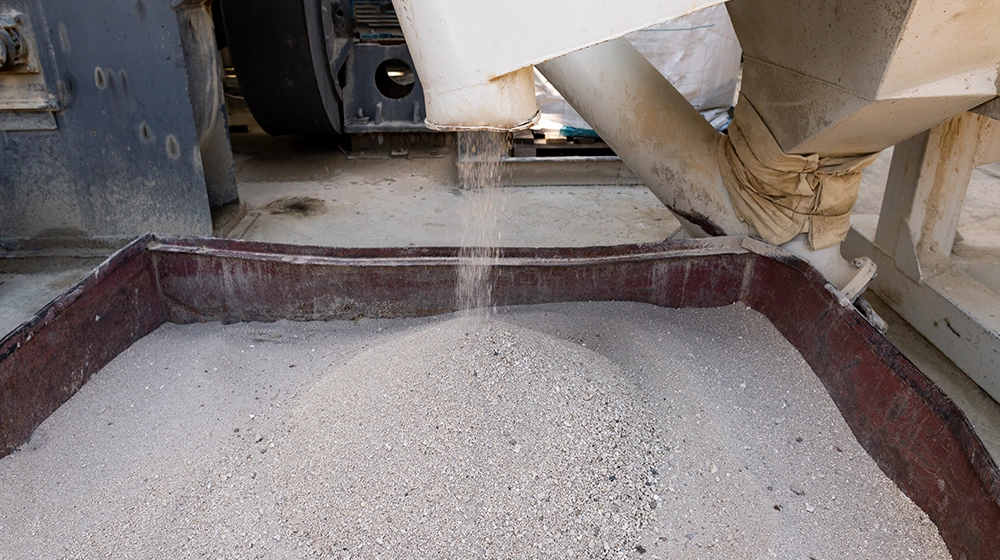
DSI, SDA, and WFGD systems show big differences in Ca/S stoichiometry, SO2 removal efficiency, and operating expenses (OPEX).
Dry Sorbent Injection (DSI) usually needs a higher calcium-to-sulfur ratio. DSI comes with lower removal efficiency and OPEX compared to Spray Dryer Absorbers (SDA) and Wet Flue Gas Desulfurization (WFGD).
Wet Flue Gas Desulfurization delivers the highest SO2 removal and makes better use of calcium, but energy and maintenance costs can be steep.
These technologies tackle emission control in different ways. DSI injects hydrated lime as a dry powder, which works for lower capital costs but isn’t as effective.
SDA uses a lime slurry spray drying method. This approach provides moderate SO2 removal and costs.
WFGD relies on wet limestone scrubbing. This method captures more emissions but adds complexity and expense.
Power plants choose between these options based on fuel type, plant size, and environmental targets.
Overview of DSI, SDA, and WFGD Technologies
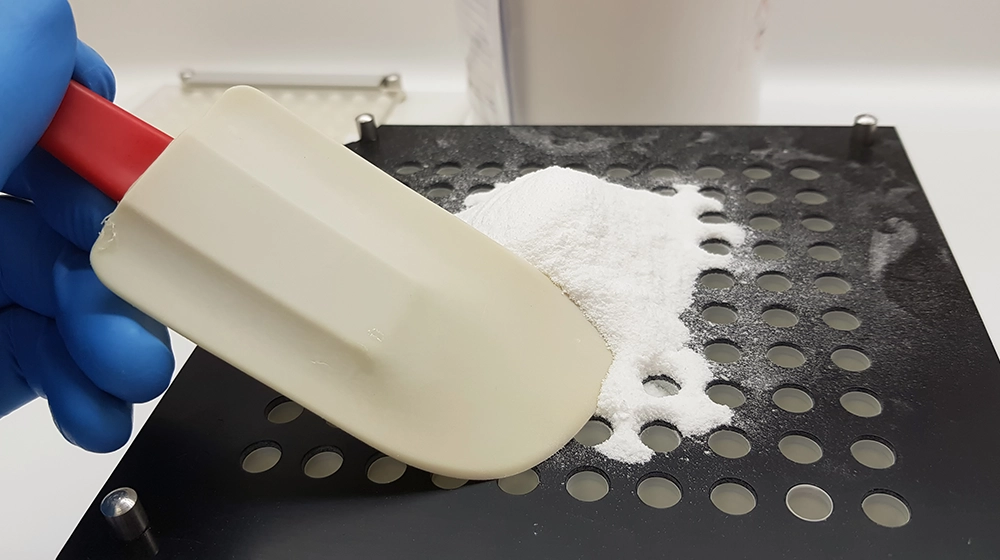
DSI, SDA, and WFGD are the main choices for reducing sulfur dioxide (SO₂) emissions from coal-fired power plants. Each one removes SO₂ differently and uses distinct materials, which affects costs and efficiency.
Understanding how these systems work and where they fit helps with air pollution control decisions. Picking the right approach comes down to plant needs and regulatory demands.
Key Principles and Mechanisms
Dry Sorbent Injection (DSI) pushes dry alkaline powder straight into the flue gas. The powder reacts with SO₂, forming compounds that get caught in particulate filters.
DSI depends on the sorbent-to-sulfur (Ca/S) ratio. Installation is quick and cheap, but removal efficiency is often just 50-70%.
Spray Dryer Absorbers (SDA) spray lime slurry into the gas stream. The slurry grabs SO₂, and the products exit as moist solids.
SDA hits a higher SO₂ removal (up to 90%) than DSI and needs moderate water and energy.
Wet Flue Gas Desulfurization (WFGD) sprays wet limestone slurry in an absorber tower. The chemical reaction turns SO₂ into gypsum.
WFGD removes over 95% of SO₂ but uses a lot of water and energy. Equipment is more complicated, too.
Process Flow Comparisons
DSI injects dry sorbents before or after particulate control devices. The process covers sorbent feeding, reaction with flue gas, and collection of products in filters or electrostatic precipitators.
SDA mixes lime slurry in a spray dryer. Flue gas passes through, moisture evaporates, and dry solids are caught by fabric filters.
This setup skips liquid waste but needs dry solid handling. WFGD features a big absorber tower with slurry spraying against the flue gas flow.
SO₂ dissolves and reacts in the liquid. Pumps recirculate slurry, and gypsum removal adds complexity and energy demand.
| Feature | DSI | SDA | WFGD |
| SO₂ Removal Efficiency | 50-70% | Up to 90% | Over 95% |
| Sorbent Input | Dry powder | Lime slurry | Wet limestone slurry |
| Product Type | Dry solids | Dry solids | Wet gypsum |
| Water Usage | Low | Moderate | High |
| Energy Use | Low | Moderate | High |
Typical Applications in Power Generation
Plants needing fast retrofits or tight spaces often go for DSI. DSI works for moderate SO₂ reduction but can’t always hit stricter limits.
SDA fits medium-sized coal plants that need to juggle cost, water, and removal rates. Facilities with water but not enough space or capital for wet scrubbers lean on SDA.
WFGD dominates in large coal-fired power plants facing tough emission rules. The high SO₂ removal rate and gypsum byproduct appeal to operators, even with higher costs.
Regulations, plant size, and resources all tie into the FGD choice. A 2023 Acmefil report, “FGD Systems: Types, Selection & Maintenance,” points to these factors as central in global power plant decisions.
Ca/S Stoichiometry: Impacts and Considerations
Calcium-to-sulfur (Ca/S) stoichiometry matters a lot for desulfurization processes in DSI, SDA, and WFGD. The Ca/S ratio shapes SO₂ removal, costs, and reagent use.
Balancing calcium oxide (CaO) or other sorbents with sulfur content controls chemical reactions and system results. Let’s break down typical ratios, their effects, and the role of sorbent reactivity.
Stoichiometric Ratios for Each Technology
Every technology needs a different Ca/S ratio. DSI usually runs at 1.5 to 3.0, since mixing and reaction times are short and less controlled.
SDA uses about 2.0, striking a balance between reagent use and sulfur removal. The liquid phase reaction improves contact with the flue gas.
Wet Limestone FGD sticks close to stoichiometric—around 1.0 to 1.2. Wet conditions let limestone (CaCO3) convert almost completely to Ca(OH)2 and react efficiently.
| Technology | Typical Ca/S Ratio | Sorbent Form | Reaction Environment |
| DSI | 1.5 – 3.0 | CaO (dry) | Short, dry gas contact |
| SDA | ~2.0 | Slaked lime (Ca(OH)2) slurry | Spray drying, semi-wet |
| Wet Limestone FGD | 1.0 – 1.2 | Limestone slurry | Wet, liquid phase |
Keeping the Ca/S ratio in check avoids wasted reagent and keeps efficiency up.
Effects on Reaction Efficiency
Ca/S ratio has a direct effect on SO₂ removal. Too little calcium means SO₂ slips through, hurting performance.
Piling on excess sorbent leaves a lot of unreacted calcium, which eats up budget and creates disposal headaches.
SDA and DSI need higher Ca/S ratios because the gas contact time is short. WFGD, with longer liquid-phase contact, can get great results closer to stoichiometric ratios.
For instance, a Ca/S of around 2.0 in SDA might get 90% SO₂ removal. WFGD can top 95% at about 1.1, thanks to better sorbent use.
Other factors—temperature, pH, mixing—also shape reaction speed and efficiency.
Role of Sorbent Reactivity
Sorbent reactivity decides how fast calcium reacts with SO₂. This depends on the type, surface area, and particle size of the sorbent.
DSI relies on high-reactivity CaO powder. Fast reaction is crucial since flue gas contact is brief.
Low-reactivity CaO means less SO₂ capture and higher Ca/S ratios. SDA uses slaked lime, less reactive than CaO, but better mixing and liquid coating help reactions finish up.
Wet Limestone FGD uses natural limestone, which first turns into calcium hydroxide. Slurry prep and pH tweaks boost reactivity.
Impurities and aging can drag down reactivity, raising reagent use and costs. Sorbent quality control is vital for keeping Ca/S balance and performance on track.
SO2 Removal Efficiency and By-Product Management
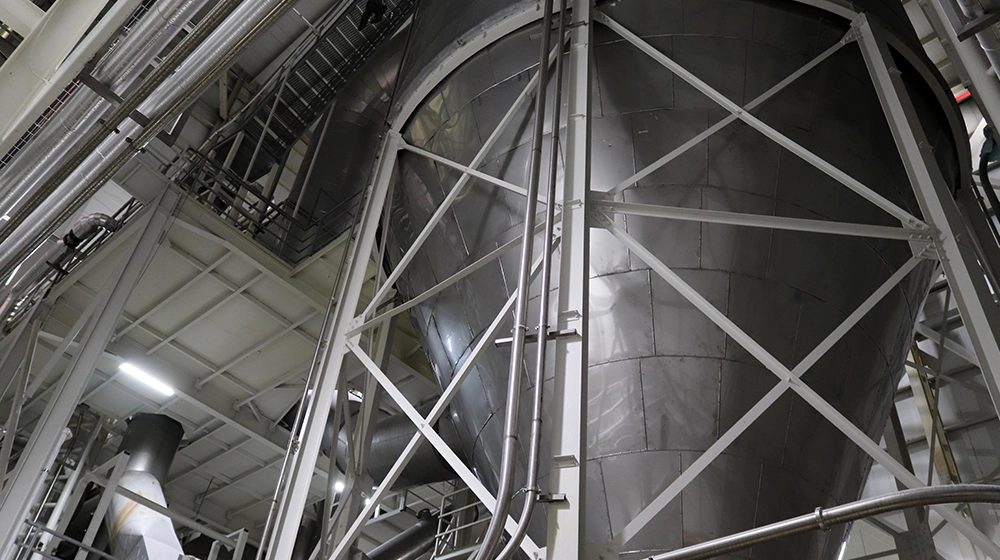
SO₂ removal efficiency jumps around depending on whether a plant uses DSI, SDA, or WFGD. These differences affect costs and the nature of by-products.
Handling residues well is key to meeting environmental rules and managing waste.
Removal Rates for DSI, SDA, and WFGD
Dry Sorbent Injection (DSI) usually tops out at 80% SO₂ removal. The process injects dry alkaline sorbents like sodium bicarbonate or hydrated lime into flue gases.
DSI is flexible and simple, but can’t match more advanced systems. Spray Dryer Absorber (SDA) systems generally deliver 85-90% SO₂ removal under good conditions.
SDA combines slurry atomization with dry sorbent injection in a drying chamber. Performance drops if coal sulfur gets above 3 lbs SO₂/MMBtu, narrowing fuel options.
Wet Flue Gas Desulfurization (WFGD) reaches the highest efficiencies—over 95%. WFGD uses wet scrubbing with limestone slurry and forced oxidation to turn SO₂ into gypsum.
This method needs more gear and resources but nails strict emission standards (U.S. Environmental Protection Agency, 2023, “Emission Control Technologies”).
By-Product Formation and Handling
DSI creates dry solids made up of spent sorbent and captured acid gases. These are easy to handle, since they don’t need dewatering.
Still, DSI by-products usually end up in landfills or special waste sites—they’re not worth much. SDA produces a dry mix of fly ash and reaction products, mainly calcium sulfite.
SDA runs as a semi-dry system, so solids are easy to handle. But incomplete oxidation can hurt by-product purity, limiting reuse.
WFGD produces a wet slurry mostly made of calcium sulfite or gypsum (after forced oxidation). Dewatering equipment turns this into solid gypsum, which can be sold for construction materials.
Efficient handling keeps waste down and supports a circular economy (Babcock & Wilcox, 2022, “SO2 Removal and Acid Gas Control”).
Quality of Solid and Liquid Residues
DSI residues stay dry and usually contain moderate levels of contaminants like unreacted sorbents or leftover acid gases. Dryness helps reduce corrosion, but the chemical makeup varies too much for most beneficial reuse.
SDA residues are dry as well, but calcium sulfite and some unoxidized sulfur compounds often show up in the mix. These solids need stabilization before disposal, since partial oxidation makes them less chemically stable.
WFGD residues, especially gypsum, stand out for quality. Forced oxidation fully converts calcium sulfite to calcium sulfate, giving gypsum a consistent chemistry that supports resale for wallboard or cement.
Liquid discharge from WFGD systems must meet strict water quality controls to minimize air pollution risks and comply with environmental permits (Thermax, 2023, “Flue Gas Desulphurisation”).
Operational Expenditure (OPEX) Analysis
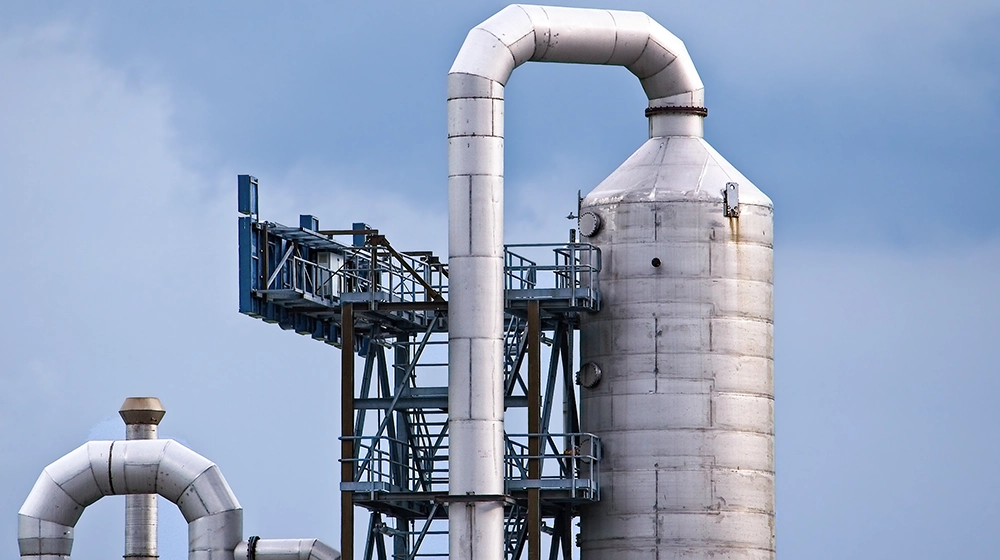
Operational expenditure for sulfur dioxide (SO2) control systems depends on initial investment, ongoing maintenance, and resource inputs like reagents and power. The mix of these factors shapes cost-effectiveness for wet limestone flue gas desulfurization (FGD) in coal-fired plants.
Understanding capital versus operating costs, maintenance needs, and sorbent or utility consumption clarifies the real investment behind calcium/sulfur stoichiometry management in DSI, SDA, and WFGD setups.
Capital and Operating Costs
Capital costs cover equipment purchase and installation. Wet limestone FGD systems in coal-fired plants come with a hefty upfront price tag, thanks to the size and complexity of scrubbers, pumps, and piping.
DSI and SDA systems cost less to install, since the equipment is simpler. Operating costs cover daily expenses—labor, energy, and chemicals.
Wet limestone FGD pulls more energy to run big blowers and circulate liquids. DSI and SDA use less power but may pay more for sorbents, depending on quality and efficiency.
The Electric Power Research Institute (EPRI) notes that wet limestone FGD operating costs can be 20–30% higher than dry systems, mostly due to energy and maintenance.
| Cost Type | Wet Limestone FGD | SDA | DSI |
| Capital Cost | High | Moderate | Low |
| Operating Cost | High | Moderate | Variable, depending on sorbents |
Maintenance and Lifespan Factors
Maintenance plays a big part in FGD operational expenditure. Wet limestone FGDs need frequent cleaning and monitoring to keep scaling and corrosion at bay in a wet environment.
Pumps, scrubbers, and absorbers require regular inspections, pushing up labor costs and increasing the risk of downtime. Dry systems like SDA and DSI, with fewer liquid-handling parts, sidestep most corrosion headaches and keep maintenance schedules simpler.
Abrasive sorbent powders, though, can wear out injection nozzles and other components faster. Equipment wear impacts both costs and system lifespan.
Wet limestone FGD plants often last over 20 years, thanks to robust construction and proven tech. Dry systems, while typically cheaper, may need more frequent part replacements, which can balance out the lower upfront costs.
Sorbent and Utility Requirements
Sorbent use drives ongoing costs in sulfur removal. Wet limestone FGD relies on limestone slurry, demanding processing, handling, and disposal infrastructure that bumps up water and waste management costs.
DSI and SDA use powdered sorbents like hydrated lime. These offer higher purity and reactivity, but the price per ton is steeper. Delivery systems need electricity for pneumatic transport and injection, but avoid water use issues.
Utility needs include electricity and water. Wet limestone FGD systems use a lot of water for slurry and cooling, making them less appealing in water-scarce areas.
DSI and SDA systems draw less water but might need more electricity for sorbent handling, depending on the facility’s scale. Sorbent efficiency, utility costs, and system design all play into the final OPEX picture.
A 2024 EPRI analysis shows that sorbent cost differences can swing operational expenses by up to 15%, with water and power use adding another 10–20% variance depending on technology and location.
Sorbent Selection and Injection Processes
Sorbent choice and injection method make a big difference for acid gas removal and operational costs. Each sorbent needs specific injection points and gear to get the best reaction with flue gases.
Getting these factors right helps improve Ca/S ratios, removal rates, and OPEX for DSI, SDA, and WFGD systems.
Calcium-Based vs Sodium-Based Sorbents
Calcium-based sorbents—take calcium hydroxide (Ca(OH)₂) for example—are common in DSI for their low cost and easy handling. These react with sulfur dioxide (SO₂) to form calcium sulfite or sulfate, hitting about 50-60% SO₂ removal depending on ratios and injection method.
Lower solubility limits byproduct formation, which keeps ash handling simple,e but may require higher Ca/S ratios to meet removal goals. Sodium-based sorbents like sodium bicarbonate (NaHCO₃) react faster and can hit SO₂ removal rates up to 80%.
Sodium works well in duct injection at lower temperatures. The catch? Sodium sorbents cost more and make more soluble byproducts, such as sodium sulfate, which can increase particulate loading and require extra control measures.
Choosing between calcium and sodium comes down to cost, removal targets, and ash residue management. Calcium excels in simple, budget setups. Sodium gets the nod when higher removal or temperature flexibility is needed.
Economizer and Furnace Sorbent Injection
Economizer injection adds dry sorbents after the air preheater but before bag filters, letting particles react with acidic gases at moderate temperatures (300-400°F). This suits calcium-based sorbents and gives moderate SO₂ removal with steady operation.
Furnace sorbent injection goes straight into the boiler or furnace at temperatures above 1500°F. Higher temperatures promote better sorbent dispersion and reaction, improving acid gas removal and cutting down on sorbent use.
Calcium-based sorbents hold up well here, resisting premature decomposition. Both methods give DSI systems flexibility.
Economizer injection is easy to retrofit and doesn’t mess with boiler conditions much. Furnace injection boosts reagent utilization and ties in tightly with combustion, but system complexity goes up.
A 2021 University of Padova report points out that picking the right injection spot depends on flue gas temperature, sorbent type, and desired removal efficiency. These choices affect both performance and operational expenses.
Emerging Trends and Future Outlook
Flue gas desulfurization (FGD) systems—think Dry Sorbent Injection (DSI), Spray Dryer Absorbers (SDA), and Wet Flue Gas Desulfurization (WFGD)—are changing fast. The focus is on better calcium-to-sulfur (Ca/S) stoichiometry, higher removal efficiency, and lower operational costs (OPEX).
Advances aim for smarter reagent use and tighter emissions, pushed by regulations and tech progress. These forces shape future development and drive market demand.
Innovations in Ca/S Optimization
Ca/S optimization targets smarter use of calcium reagents for lower SO2 emissions and cheaper operation. New methods improve the reaction between calcium and sulfur dioxide, capturing more with less reagent.
Recent innovations include enhanced sorbent formulations that boost reactivity and surface area. Advanced injection techniques get better reagent distribution in DSI and SDA systems.
Real-time stoichiometric control—using sensors and process automation—lets operators dial in Ca/S ratios on the fly. These moves cut reagent use and shrink operational expenses.
A 2024 Electric Power Research Institute report claims these improvements can slice reagent consumption by up to 15%, helping both the environment and the bottom line.
Regulatory Drivers and Market Factors
Tougher environmental regulations worldwide push FGD system improvements. Governments keep tightening limits on SO2, HCl, and other acid gases, so facilities need more effective and flexible solutions.
Emerging markets show growing demand for WFGD and SDA systems as coal-fired power expands and emission rules stiffen. OPEX factors—reagent cost, energy use, maintenance—shape technology choices.
The Electric Power Research Institute notes that new regulatory frameworks push for multi-pollutant removal, favoring integrated FGD systems that handle SO2, HCl, and HF all at once.
Market growth depends on compliance costs, tech advancement, and fuel type or quality. This regulatory maze keeps innovation moving in Ca/S stoichiometry and system design, with the goal of balancing costs and performance.
Frequently Asked Questions
The calcium-to-sulfur balance has a big impact on Dry Sorbent Injection (DSI) system performance. Sulfur removal rates vary between DSI, Spray Dry Absorber (SDA), and Wet Flue Gas Desulfurization (WFGD) methods.
Operational costs—both capital and ongoing—differ widely by system and technology upgrades, shaping overall efficiency and economics.
What is the optimal calcium-to-sulfur ratio for Dry Sorbent Injection systems?
The best calcium to sulfur (Ca/S) molar ratio in DSI systems usually lands between 2.0 and 2.5. This range gives enough reagent to react with sulfur dioxide (SO₂) while keeping extra calcium sorbent use in check.
Maintaining this ratio helps sulfation and keeps reagent waste down, which matters for removal efficiency and operating expenses.
How does the sulfur removal efficiency compare between DSI, SDA, and WFGD technologies?
DSI systems usually remove 40-70% of sulfur, fitting moderate SO₂ reduction needs. SDA systems push removal up to around 70-90%.
WFGD systems top the chart, often beating 90% removal thanks to wet scrubbing and longer gas-liquid contact time.
What are the operational cost differences for maintaining DSI, SDA, and WFGD systems?
DSI comes out cheapest to run, with simpler gear and little water use, but might need more reagents. SDA sits in the middle—reagent costs plus maintenance for spray dryers and absorbers.
WFGD racks up the highest operating costs from pump operation, sludge handling, and wastewater treatment, but delivers the best SO₂ removal and sometimes byproduct sales.
Can DSI systems achieve similar removal rates as WFGD when using enhanced sorbents?
Enhanced sorbents can boost DSI removal rates up to about 80%, closing in on WFGD. Still, DSI rarely matches WFGD’s removal above 90%.
Performance comes down to process conditions, sorbent properties, andsystem design.
What factors influence the reagent consumption in Semi-Dry Absorption processes?
Reagent use in Semi-Dry Absorption depends on inlet SO₂ concentration, flue gas temperature, and humidity. Sorbent particle size and surface area affect reaction rate,s too.
Optimization means tuning the sorbent feed rate to hit the sweet spot: minimal waste, maximum removal.
How do the capital expenses of Wet Flue Gas Desulfurization systems compare to those of Dry Injection methods?
Wet Flue Gas Desulfurization (WFGD) systems demand much higher capital investment. Absorber towers, pumps, and treatment facilities drive up costs fast.
Installation and infrastructure needs push expenses even higher.
Dry Injection methods like DSI come with much lower upfront costs. Simpler setups and smaller footprints make DSI attractive for smaller plants or retrofits.