
Particulate Control: Cyclones, ESP/WESP, Baghouses, Demisters for Optimal Air Quality Management
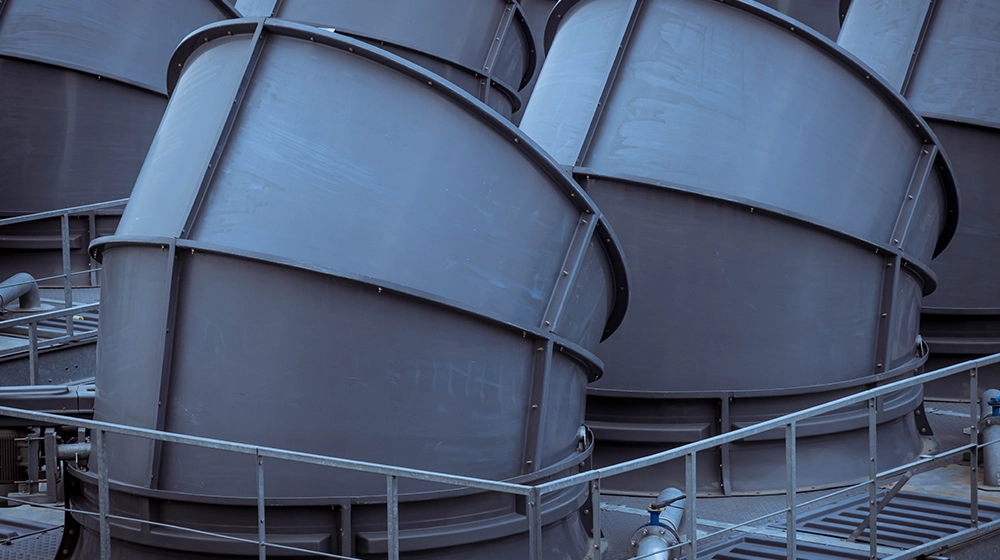
Devices like cyclones, electrostatic precipitators(ESP/WESP), baghouses, and demisters form the backbone of particulate control in industrial emissions. Each system captures pollutants differently, with unique strengths, weaknesses, and operational quirks, but every device aims to slash air pollution and help industries meet regulations.
Cyclones rely on centrifugal force to separate particles. ESPs use electrical charges to collect dust.
Baghouses filter particles through fabric. Demisters strip out liquid droplets from gas streams.
Industries need to understand these technologies to pick the right method, factoring in particle size, moisture, and maintenance headaches.
Overview of Particulate Control Technologies
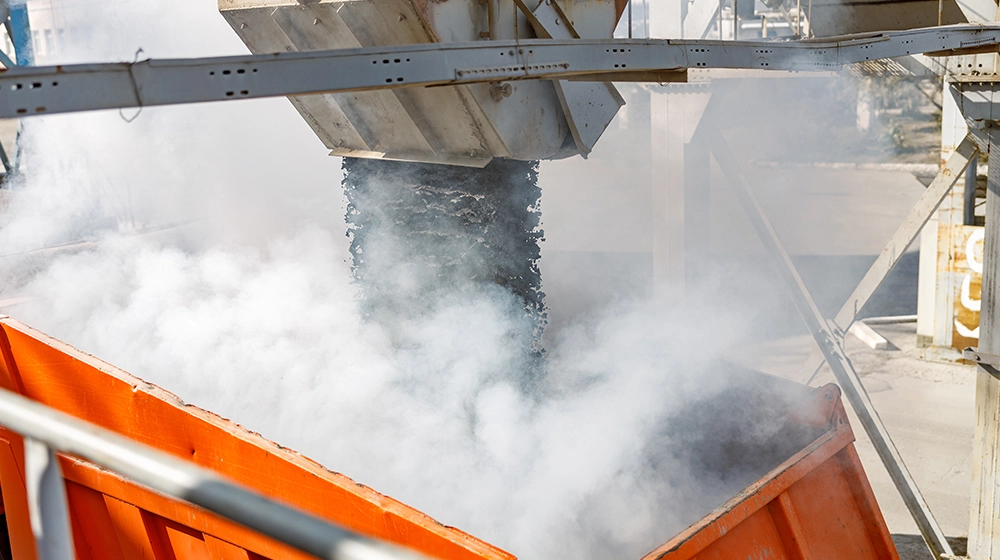
Particulate control technologies cut particle emissions from both industrial and domestic sources. Each approach separates and captures particles that differ wildly in size, shape, and concentration.
Knowing how each technology works helps industries match equipment to efficiency, cost, and the characteristics of polluted air.
Fundamental Principles of Particulate Control
Particulate control methods yank solid or liquid particles from gas streams, blocking air pollution before it spreads. Cyclones spin particles out of the airflow using centrifugal force.
Electrostatic Precipitators (ESPs) zap particles with an electrical charge, pulling them onto plates. Wet ESPs (WESPs) add moisture, trapping sticky or fine particles.
Baghouses force air through fabric filters to trap dust. Demisters grab liquid droplets by coalescing them on mesh pads.
Physical or electrical forces drive each method, and particle size really shapes the best choice. Cyclones excel at catching big particles.
ESPs and baghouses grab fine dust. Collection efficiency depends on equipment design, gas properties, and the kind of particles that are floating around.
The US EPA’s 2023 report, “Monitoring by Control Technique – Cyclone,” notes that cyclones often take the first hit, knocking out large particles before more sensitive gear steps in.
Comparative Summary of Technologies
| Technology | Mechanism | Particle Size Effective | Pros | Cons |
| Cyclones | Centrifugal force | >10 microns | Low cost, no moving parts | Low efficiency for fine dust |
| Electrostatic Precipitators (ESPs) | Electric charge | 0.01 to 10 microns | High efficiency, low pressure drop | High capital cost, sensitive to humidity |
| Wet ESPs (WESPs) | Electric + moisture | Very fine, sticky dust | Handles sticky and high-moisture particles | Requires water handling, higher maintenance |
| Baghouses | Fabric filtration | >1 micron | Very high efficiency, adaptable | Higher operational cost, filter replacement needed |
| Demisters | Coalescence | Liquid droplets | Removes mist efficiently | Not effective for dry dust |
Technology selection comes down to particle size, gas stream quirks, and operating conditions. Baghouses win for fine dry particles, while cyclones handle coarse particles at a lower price.
Selection Criteria for Industrial Applications
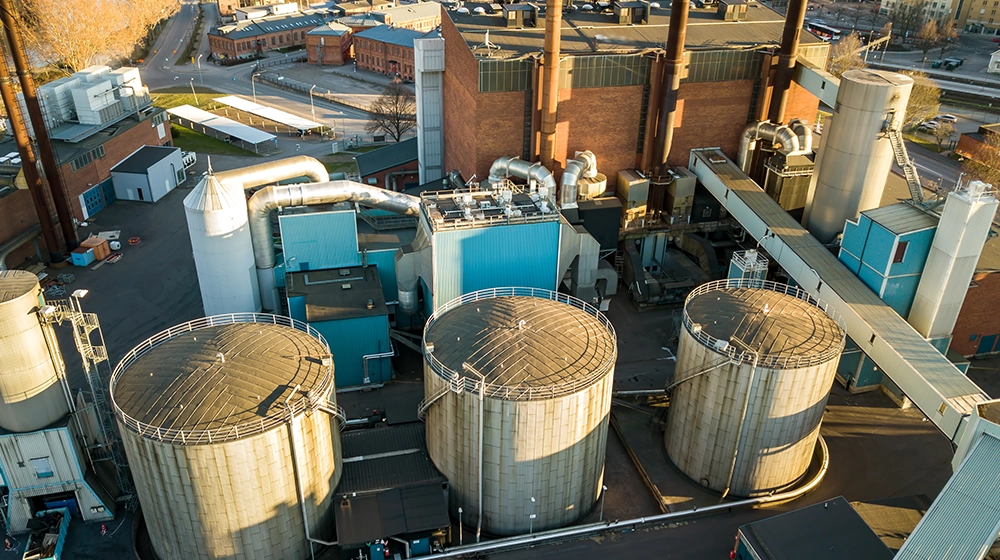
Industrial facilities pick particulate control systems based on their own needs. Particle size, type, gas temperature, moisture, flow rate, and emission limits all matter.
High dust loads and big particles? Cyclones usually start the job, protecting more delicate equipment downstream. Strict emission standards and fine dust mean ESPs or baghouses get the call.
Sticky particles or high moisture? Wet ESPs or demisters handle that mess better. Cost and maintenance tip the scales, too.
Cyclones need little attention, but baghouses mean filter swaps. ESPs demand cleaning and power.
Operators weigh up-front investment, running costs, and maintenance against the need to meet emission rules. A 2024 ScienceDirect overview points out that coal-fired plants often combine several technologies to balance efficiency and regulations.
Cyclone Separators: Design and Operation
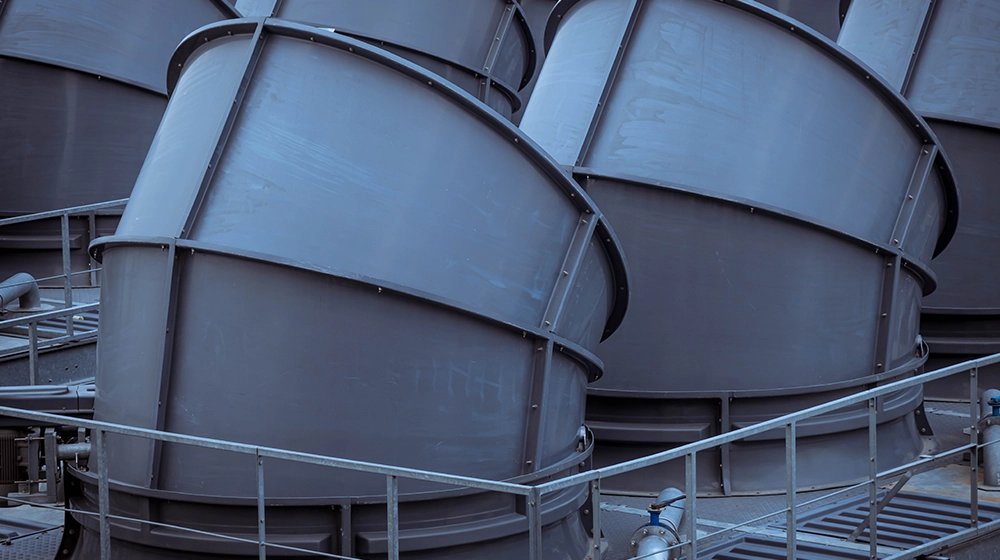
Cyclone separators remove solid particles from gas streams using centrifugal force. Shape and size matter—design tweaks boost collection efficiency.
Flow rate and temperature also play a role. Cyclones spin dirty gas in a spiral, sorting particles by size and weight.
Efficiency depends on cyclone dimensions and what kind of particles hit the system. These devices handle tough jobs, but every design brings limits and trade-offs.
Working Mechanism of Cyclones
Cyclone separators create centrifugal force to pull particles out of gas streams. Gas enters tangentially at high speed, swirling in a vortex inside a conical chamber.
Heavier particles slam outward, hit the walls, and slide down to a hopper. Cleaned gas escapes upward through a central outlet.
Cyclones do their best work on particles larger than 10 micrometers. Key parts include the inlet, vortex finder, body, and collection chamber.
Separation relies on swirling motion and the difference in mass between particles and gas. Design details—diameter, height, inlet size—tweak the centrifugal force and how long particles stay inside.
Performance Factors and Efficiency
Cyclone efficiency rides on particle size, gas velocity, and cyclone geometry. Big particles and fast gas speeds boost collection rates.
Temperature and particle density also matter, shifting gas properties and how particles behave. The right design—length-to-diameter ratio, inlet shape—can really raise efficiency.
Pushing a cyclone outside its design sweet spot drops efficiency or causes pressure headaches. Cyclones shine with particles over 10 micrometers but miss the mark with fine dust.
Performance factors:
- Particle size distribution
- Gas flow rate and velocity
- Cyclone dimensions (diameter, length)
- Temperature and gas density
- Dust concentration in the gas
Many systems use cyclones up front as pre-filters, taking the edge off before baghouses or ESPs step in (Acmefil, 2022; US EPA, 2021).
Applications and Limitations
Industries use cyclones for dust and solid emission control. Power plants, cement production, woodworking, and chemical processing all rely on these simple, rugged devices.
Low maintenance and tough construction keep costs down, especially for big particles and heavy dust loads. Cyclones, though, can’t catch very fine particles well.
Poor design can cause pressure drops and higher energy bills. Space and gas properties sometimes limit where cyclones fit.
For fine or hazardous dust, cyclones act as the first line, prepping gas for finer filters like WESPs or demisters.
Electrostatic Precipitators (ESP): Fundamentals
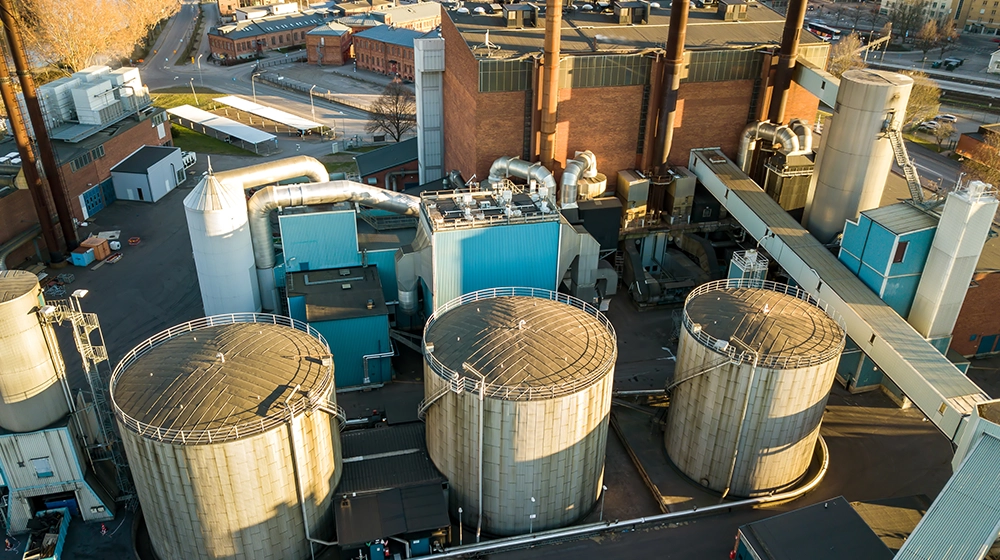
Electrostatic precipitators (ESPs) use electrical forces to yank particles out of gas streams. High collection efficiency makes ESPs a staple in air pollution control and dust collection.
Dry and wet ESPs differ in design and best-fit applications, depending on particle type and environment. Here’s how ESPs work, what separates dry from wet, and the main factors that shape performance.
Principles of Electrostatic Particle Collection
Electrostatic precipitators charge particles in a gas stream using high-voltage electrodes. As particles pass through the discharge area, they pick up a charge.
Charged particles stick to grounded plates inside the ESP. Periodic cleaning—rapping or washing—removes collected material, letting clean gas exit.
Strong electric fields do the heavy lifting, charging airborne particulates. This method handles fine particles—dust, smoke, mist—found in coal plants, cement factories, and other manufacturing emissions.
Dry ESP vs. Wet ESP Comparisons
Dry ESPs collect dry dust on plates, cleaning them mechanically. These systems suit dry, non-sticky particles and see use in a lot of industrial settings.
Dry ESPs work well for larger particles but can struggle with fine or sticky dust. Wet ESPs (WESP) use water or other liquids, washing plates continuously.
Wet ESPs tackle sticky, humid particulate—acid mists, condensed metal fumes, or submicron particles. They catch what dry ESPs miss.
Comparison Table
| Attribute | Dry ESP | Wet ESP |
| Particle Type | Mostly dry dust | Sticky, humid, acid mist, fine aerosols |
| Cleaning Method | Mechanical rapping | Continuous liquid washing |
| Efficiency on submicron | Lower | Higher |
| Typical Applications | Power plants, cement, steel | Sulfuric acid plants, metal refineries |
The 2023 environmental report “Electrostatic Precipitation Fundamentals” by PPC AIR highlights wet ESPs as the go-to for emissions that dry ESPs can’t handle, like sulfuric acid mist.
Key Performance Parameters
ESP performance depends on particle size, gas flow rate, electric field strength, and particle resistivity. Higher voltage means better charging and higher collection rates.
Particle resistivity can make or break efficiency—too high or too low, and particles escape or don’t charge well. Temperature and moisture change how particles and gas behave, shifting ESP performance.
Gas flow rate matters, too. Longer residence time means more particles get charged and collected.
Electrode and plate design must balance pressure drop and efficiency. Modern ESPs can hit over 99% collection efficiency for typical industrial dust loads.
The 2024 Babcock & Wilcox study, “Electrostatic Precipitators – Fabric Filters,” points out that dialing in these parameters helps ESPs meet tough emission standards and keep operations running smoothly.
Wet Electrostatic Precipitators (WESP): Advanced Solutions
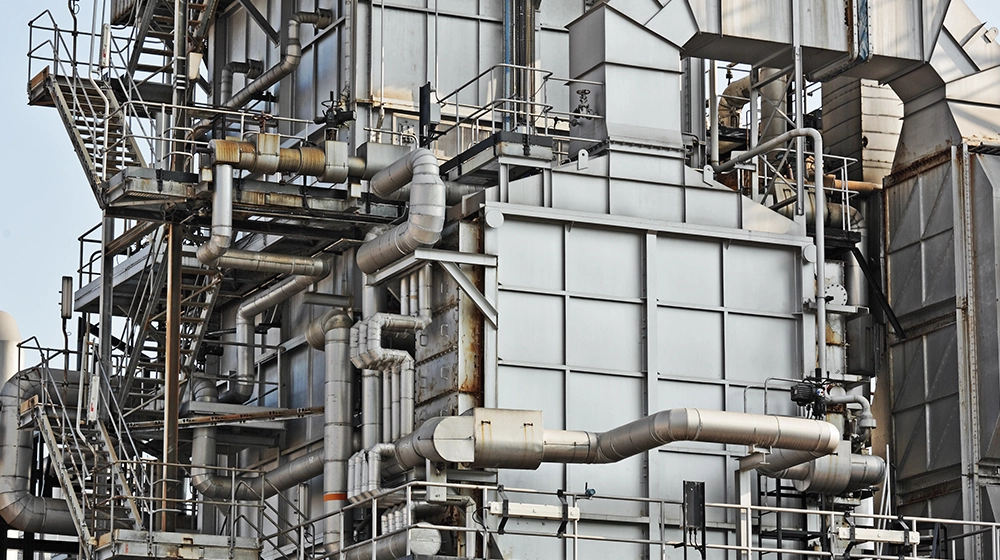
Wet electrostatic precipitators (WESP) remove very fine particles and acid mists from industrial gas streams. These units charge particles so they stick to wet collection plates, then water flushes the plates clean.
WESPs improve air pollution control by targeting pollutants that dry systems often miss. Here’s a closer look at how WESPs work, where they’re used, and what to keep in mind for smooth operation.
Enhanced Removal of Fine Particulates and Acid Mists
WESPs capture sub-micron particulate matter and acid mists—tricky stuff for most other devices. The strong electric field charges particles, pulling them to water-wetted collection surfaces.
This approach removes tiny aerosols, sulfuric acid mist, and heavy metals from exhaust gases. Since WESPs use water, sticky or condensable particles don’t clog up the system like they do in dry electrostatic precipitators (ESPs).
High particle collection efficiencies often exceed 95% for fine aerosols. Water flushing cuts down on particle re-entrainment and allows continuous removal without manual cleaning.
This makes WESPs a go-to choice when acid mist or oily aerosols show up as process byproducts.
Key Features and Technological Innovations
WESPs combine electrical charging and wet collection in a sturdy design. Main parts include a high-voltage power supply, corona discharge electrodes, collection plates, and a water flushing system.
Some units feature automatic water flow regulation to optimize cleaning and save water. Upflow or downflow gas stream options let engineers match the process needs.
Many modern WESPs integrate with scrubbers to neutralize acidic gases and help reduce volatile organic compounds (VOC). Replacement components like electrodes and power supplies are built for durability, cutting down on maintenance.
Automated controls keep operation consistent and help keep costs in check, even with complex pollutant streams.
Application Areas and Industry Examples
Utilities, chemical manufacturing, metal processing, and waste incineration facilities use WESPs to tackle fine particulates and acid mists. These systems help meet strict environmental requirements by controlling PM2.5, submicron particles, heavy metals, and acid aerosols.
Common uses include flue gas cleaning from coal and oil-fired boilers, sulfuric acid mist capture in fertilizer production, and oil mist removal in metalworking. WESPs handle sticky or corrosive emissions that can quickly disable dry ESPs or baghouses.
The compact size and reliable operation make WESPs a smart pick for tight spaces where serious particulate control is non-negotiable.
Operational Considerations and Maintenance
Water quality matters—a lot. Operators must prevent deposits on collection surfaces and keep the flushing system efficient.
Regular checks of power supplies and electrodes help maintain corona discharge integrity and particle charging efficiency. Timely replacement of worn collecting plates and water nozzles keeps uptime high.
Monitoring voltage levels, pressure drop, and water flow rates can catch issues early. Corrosion-resistant materials and coatings help WESPs withstand corrosive acids and sticky aerosols.
Automated controls help, but trained staff must handle preventive maintenance and troubleshooting. Routine cleaning holds off buildup and keeps collection efficiency steady, supporting compliance with air pollution standards.
Baghouse Filters: Fabric and Pleated Solutions
Baghouse filters use fabric filter media to trap dust and particulates from industrial gases. Dusty air passes through fabric bags or pleated cartridges, and particles collect on the surface.
Filter material, cleaning method, and maintenance all shape baghouse performance and lifespan. Here’s what matters in baghouse design and operation.
Baghouse Operating Principles
Baghouse filters remove particles from gas streams using fabric filter bags or cartridges. Gas enters compartments filled with fabric tubes or pleated cartridges.
Particles pile up on the upstream surface; clean air exits through the fabric. Pore size and weave determine collection efficiency, which often tops 99% for fine particulates.
Fabric filter media can be woven or non-woven and come in different materials based on temperature and chemical needs. Many baghouses use compartmentalized designs, so cleaning doesn’t halt the whole operation.
Main components: filter bags, support cages, inlet and outlet ducts, and cleaning systems.
Pulse Jet and Shaker Cleaning Methods
Cleaning keeps airflow up and extends filter life. Pulse jet cleaning blasts compressed air into the top of each bag, knocking dust loose to fall into a hopper.
Shaker cleaning shakes bags or cages, freeing dust, but usually requires a pause in that compartment. Pulse jet systems keep filtration running during cleaning, making them great for non-stop, high-volume processes.
Both cleaning methods restore filter capacity and help avoid big pressure drops. Choosing the right cleaning style depends on baghouse size, dust type, and process demands.
Filter Media Selection and Replacement
Filter media choice impacts performance, lifespan, and maintenance costs. Options range from cellulose to synthetic fibers like polyester or PTFE, depending on temperature and chemical exposure.
Pleated filter bags offer more surface area than flat bags, boosting dust capacity and stretching out replacement intervals. Many pleated bags work with existing baghouses, offering a cost-effective upgrade.
Replacement is necessary when bags show holes, cracks, or dust buildup that cleaning can’t fix. Abrasive dust wears out filters faster. Regular inspections spot damage early and prevent efficiency loss.
Performance and Limitations
Baghouse filters deliver high collection efficiencies—typically 99% or better for submicron particles. They handle a wide range of dust, from fine fly ash to coarser industrial particles.
Fabric selection lets operators fine-tune capture rates. Abrasive dust can damage the fabric, and moisture can clog filters or trigger chemical reactions that degrade the media.
High-temperature exhaust gases need special high-temp fabrics or a different approach. Maintenance and timely filter changes keep pressure drops in check and system efficiency up.
Baghouses stand out as versatile, widely used dust collectors in industrial air pollution control. A 2023 US Environmental Protection Agency report, “Fabric Filter Control Techniques,” points to fabric media and pulse jet cleaning as reliable solutions for meeting particulate emissions limits across many industries.
Demisters and Scrubbers: Enhancing Particulate Removal
Demisters and scrubbers target fine particles and mists in gas streams, catching what other filters might miss. These technologies help deliver cleaner air by removing liquid droplets and small solids.
Combining demisters and scrubbers optimizes pollutant capture, especially in industrial settings where air quality matters.
Demister Designs and Functions
Demisters, or mist eliminators, remove liquid droplets from gas streams. The air passes through a mesh or vane pack that captures droplets using inertia and impaction.
This setup prevents liquid carryover after wet scrubbers or cooling towers. Wire mesh demisters use fine woven wires to trap droplets, while vane demisters use angled plates to collect them.
Droplets coalesce into larger drops and drain out of the gas flow. Demisters cut down fouling downstream and protect filters like baghouses.
Facilities handling acid gases or sticky particles rely on demisters to control moisture and keep systems running. Mach Engineering’s 2023 report found demisters extend wet scrubber system life by minimizing water droplet emissions.
Integration with Wet Scrubbers
Wet scrubbers use liquid to capture particulate matter and gases. Placing demisters downstream of wet scrubbers stops liquid droplets from leaving the system with cleaned gas.
This combo boosts particulate removal by catching both solids and liquid aerosols. Wet scrubbers pull particles into liquid droplets; demisters then separate leftover mist, improving emissions quality and protecting downstream gear.
Industrial setups often pair scrubbers with demisters to handle tricky pollution streams, including sticky or combustible materials. This pairing helps meet air quality standards and can lower maintenance costs by reducing moisture-related damage.
Envitech’s 2022 report notes that integrated wet scrubber and demister systems achieve over 95% particulate removal efficiency.
Optimizing Particle Capture in Wet Systems
Matching demister types and scrubber configurations to industrial needs is key. Factors include gas velocity, particle size, and liquid droplet distribution.
Smaller droplets in wet scrubbers create more collision surfaces, improving capture. But too many small droplets can raise pressure drop and operational costs.
Proper demister design balances droplet size and gas flow to keep emissions low and avoid clogs. Regular cleaning of scrubbing liquids and demisters prevents sticky or combustible dust buildup and keeps performance up.
Corrosion-resistant demister components extend service life in tough environments. The Environmental Protection Agency’s 2024 study shows that combining venturi scrubbers with mesh demisters slashes submicron particulate emissions, especially heavy metals, by improving both particle capture and droplet removal. System design really does make a difference in air pollution control.
Frequently Asked Questions
Particulate control systems come in all shapes and sizes, depending on technology and the type of particles involved. Main issues include how each piece of equipment handles separation, the role ofparticle size, operational environments like temperature, and what it takes to keep them running.
How do cyclones work to remove particulates from industrial emissions?
Cyclones use centrifugal force to remove particles. Gas with dust enters tangentially, spinning so heavier particles move outward to the walls.
These particles drop into a collection hopper, while cleaner gas exits through the top. Cyclones work best for larger particles and often act as a first stage before finer dust gets handled by other systems.
What are the key differences between Electrostatic Precipitators (ESP) and Wet Electrostatic Precipitators (WESP)?
An ESP charges particles electrically and collects them on dry plates, which need periodic cleaning. A WESP uses a similar charging process but includes a water film to wash away particles continuously.
Wet ESPs handle submicron particles, acid mists, and sticky or combustible substances better than dry ESPs. These are the preferred choice when particulate matter is sticky or tough to remove from dry plates.
Can baghouses operate efficiently with high-temperature gas streams?
Baghouses can handle high temperatures when built with materials like fiberglass or ceramic fibers. Standard fabric filters, on the other hand, tend to break down fast if exposed to elevated temperatures.
Many high-temperature baghouses use cooling stages or specialized bags. These features help maintain filtration efficiency and extend service life.
What factors determine the optimal selection of demisters for vapor–liquid separations?
Droplet size, vapor velocity, and liquid properties play a big role in demister selection. Separation efficiency matters too.
Demisters need the right size to capture droplets without causing too much pressure drop or letting liquid sneak through. Material compatibility with the process fluid and temperature also shapes demister design.
How does particle size affect the performance of particulate control systems?
Cyclones and standard ESPs easily capture larger particles. Smaller and submicron particles usually demand advanced systems like WESPs or fabric filters.
Particle size influences collection efficiency and pressure drop. Fine particles create extra challenges, often pushing facilities toward electrostatic or wet collection methods.
What are the maintenance considerations for ensuring long-term operation of particulate control equipment?
Routine inspection and cleaning matter a lot, especially for ESP plates and baghouse filters. Wet systems like WESPs need close monitoring of water flow and corrosion control.
Preventative maintenance means checking for wear and clogging. Electrical systems in ESPs need regular attention to keep everything running smoothly.