
WFGD Gypsum Quality: Chloride, Moisture & Particle Size Analysis and Impact
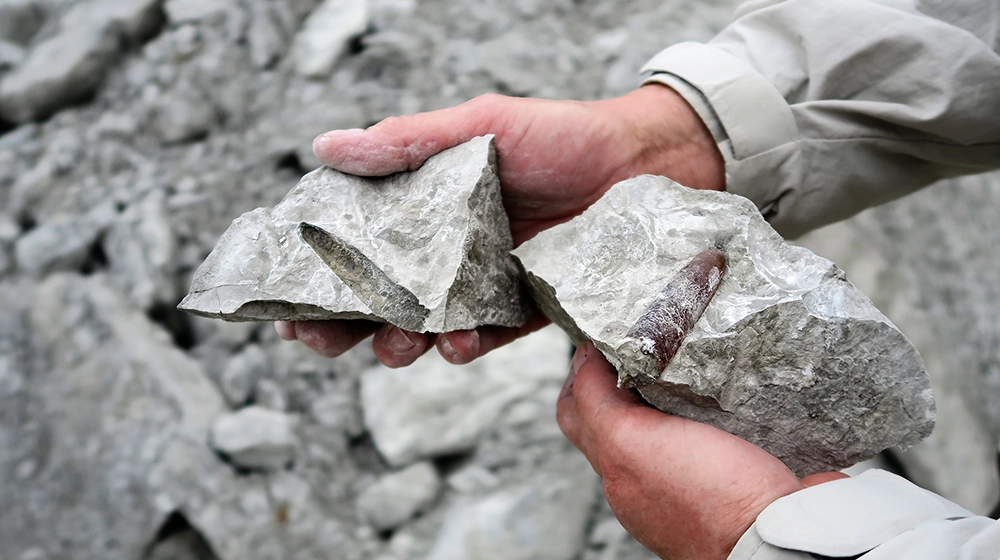
WFGD gypsum quality comes down to three main factors: chloride content, moisture levels, and particle size. Each of these plays a direct role in purity, usability, and how easily gypsum from wet flue gas desulfurization systems can be handled.
Getting a handle on these factors lets operators control product quality, boost efficiency, and cut down on environmental headaches.
Chloride in WFGD gypsum knocks down purity and brings trouble for reuse in construction or agriculture. Moisture content shapes storage and transport—lower moisture makes everything simpler.
Particle size distribution drives strength and setting properties, which matters a lot for cement or building materials. These three quality levers shape how gypsum from coal-fired power plants gets judged and optimized.
Key Determinants of WFGD Gypsum Quality
WFGD gypsum quality depends on specific chemical and physical traits. Chloride levels, moisture content, and particle size each shape performance and influence how flue gas desulfurization systems get run.
Chloride Content in Gypsum
Chloride content stands out as a critical parameter for WFGD gypsum. High chloride can corrode metal equipment and weaken gypsum-based products.
Strict quality standards keep chloride levels in check. Chloride comes from flue gas or handling steps, and high numbers usually mean contamination or inefficiencies somewhere in the process.
Monitoring chloride ensures gypsum fits industrial needs. Most testing focuses on water-soluble chloride, which directly impacts chemical stability and product performance.
Industry reports, like the 2020 Gypse de Désulfuration consortium study, recommend chloride stay below 0.3% by weight to avoid problems.
Moisture Content Standards
Moisture content in WFGD gypsum affects storage, handling, and manufacturing. Too much moisture brings on issues like slurry foaming, poor drying, and lumpy product.
Moisture levels usually run between 10% and 20% by weight, depending on particle size and crystal structure. Standards call for careful control to keep gypsum stable and predictable during drying.
Excess moisture can also mean clumping or even microbial growth, which drags down usability. Drying samples under controlled conditions gives plant operators a reliable quality control metric.
Research from Chinese coal-fired power plants (2019) found that keeping moisture below 15% helps with desulfurization efficiency and gypsum consistency.
Particle Size Distribution in Gypsum
Particle size distribution (PSD) sets the range and volume of particles in WFGD gypsum. This influences reactivity, setting time, and final strength for uses like plaster and cement.
WFGD gypsum often shows a bimodal distribution, with most particles between 4 and 100 micrometers. Fine particles boost surface area and reactivity—key for fast setting and good bonding in boards and additives.
PSD management means controlling grinding and settling during production. Changes in particle size affect drying rates and moisture retention, tying right into gypsum’s physical quality.
Research by Córdoba et al. (2017) found that dialing in PSD improves mechanical properties, making synthetic gypsum stack up well against natural gypsum. Good PSD control keeps gypsum useful across industries.
Chloride Content: Impact and Control in WFGD Gypsum
Chloride plays a central role in wet flue gas desulfurization (WFGD) gypsum quality. Chloride shifts the physical and chemical properties of the finished product.
Operators need to keep chloride in check to meet performance standards and environmental rules.
Sources of Chloride in the Wet FGD Process
Most chloride enters the WFGD system through flue gas and wastewater. Coal combustion releases chloride compounds that dissolve in the slurry.
Other sources include makeup water, landfill leachate, and mixed industrial wastewaters. Sometimes, chloride builds up because wastewater treatment doesn’t remove enough of it, especially in closed-loop systems.
Chloride spikes often trace back to coal impurities or external waste streams. Monitoring these inputs helps predict chloride loads and influences gypsum processing (Power Engineering, 2023).
Effects on Gypsum Properties
Chloride concentration shapes gypsum performance, especially in damp settings. High chloride can corrode equipment and make gypsum boards less durable by raising moisture absorption.
Chloride also messes with setting time and strength. The ions can disrupt crystal growth or cause surface breakdown, which hurts mechanical properties.
Industry specs demand tight control of chloride for purity and stability. Wallboard manufacturing, for example, needs chloride below strict thresholds to avoid product failures (Water & Wastewater, 2022).
Chloride Management Techniques
Operators manage chloride in WFGD gypsum by controlling sources and applying treatment steps during dewatering and washing. Mechanical dewatering with vacuum or rotary drum filters helps cut moisture and remove some chlorides.
Washing the gypsum cake with water dissolves and flushes out more chloride before drying. Wastewater treatment before reuse or discharge also helps keep chloride under control.
System design—purge streams, regular monitoring—prevents chloride buildup. Frequent testing guides operational tweaks and keeps gypsum inside chloride limits (U.S. EPA, 2021).
Moisture Content of WFGD Gypsum: Measurement and Optimization
Moisture content in WFGD gypsum shapes quality and usability. Accurate measurement tools and optimized drying processes keep moisture where it needs to be.
Understanding what nudges moisture up or down—and how to adjust it—makes for better product performance.
Factors Affecting Moisture Levels
Moisture in WFGD gypsum mostly depends on dewatering effectiveness and wet FGD process design. Hydrocyclones separate water from gypsum slurry, but performance shifts with slurry properties and operating conditions.
Other factors: slurry pH, particle size, flow rates, and temperature. Impurities like limestone dust and flue gas residue can trap water, bumping up moisture content.
The Flue Gas Desulfurization Association’s 2023 study found that moisture content can swing wildly due to these variables, making control tricky.
Moisture Reduction Methods
Cutting moisture relies on dialing in dewatering and drying systems. Hydrocyclones help but rarely hit low moisture targets alone.
Additional drying—floor dryers paired with continuous moisture measurement—gets moisture down to about 1.5%. Continuous monitoring allows real-time control of drying, avoiding over- or under-drying.
Operators adjust drying time, temperature, and airflow based on meter readings. This keeps gypsum boards from shrinking or cracking.
Industrial Drying Technologies’ 2022 report showed that combining hydrocyclones with moisture measurement can boost drying efficiency by up to 20%.
Quality Requirements for End Uses
WFGD gypsum moisture targets shift by end use. Construction materials like drywall need moisture under 2% to prevent shrinkage and ensure strength.
In agriculture or cement, a bit more moisture is okay, but still needs control for good handling and mixing. The industry sweet spot: around 1.5%, balancing quality and energy cost.
Moisture also tweaks particle size distribution, which impacts product consistency. The Journal of Environmental Engineering (2024) found that keeping moisture in the right range helps gypsum products last longer and perform better.
Particle Size Distribution: Effects on Gypsum Quality
Gypsum quality in wet flue gas desulfurization (WFGD) systems rides heavily on particle size distribution. Particle size impacts moisture content, dewatering, and crystal structure.
Managing fine particles and controlling crystal shape matter for optimizing purity and physical properties.
Role of Particle Size in Dewatering
Particle size decides how much water gypsum holds onto. Larger particles shed water more easily, making dewatering and drying quicker.
Fine particles hang onto moisture because of their high surface area and capillary forces, so drying takes longer. The water-to-gypsum ratio often links directly to particle size distribution.
Studies show that a broader particle range, especially with coarse particles up to 600 microns, helps water release and lowers gypsum moisture (The Effect of Particle Size Distribution on some Properties of Gypsum).
Iraqi standards, for example, set a max setting time of 25 minutes for gypsum with particles between 75 and 600 microns, showing the balance needed between particle size and drying.
Crystal Morphology and Its Influence
Crystal shape and structure shift strength, purity, and setting time. Particle size distribution steers crystal growth—finer particles make smaller, more uniform crystals, while coarser ones build larger, irregular shapes.
Crystal morphology tweaks physical properties like hardness and compactness. Well-formed, even crystals boost compressive strength and cut impurities such as leftover limestone.
Managing crystal form by controlling particle size helps reduce impurities and bump up gypsum quality. The link between fines and crystal shape is key—uneven crystals trap moisture and impurities, dragging down overall quality (Investigation of the gypsum quality at three full-scale wet flue gas …).
Fine Particles and Their Management
Fine particles—usually under 75 microns—bring processing headaches. They hold more moisture and slow down dewatering, thanks to high surface area and slow settling.
Fine particles also thicken slurry, making equipment handling and crystallization harder. Managing fines means using controlled grinding, adjusting slurry makeup, and applying mechanical or chemical separation.
Removing or clumping fines improves purity and lowers chloride contamination. Advanced methods, like laser diffraction particle size analysis, let operators track fines and tweak processes for the right particle mix.
Balancing fines and coarse particles leads to better gypsum quality and less waste (Bettersizer ST analyzer measures gypsum particle size distribution).
Operational and Process Factors Influencing WFGD Gypsum Quality
Wet flue gas desulfurization (WFGD) gypsum quality hinges on how the system runs and gets maintained. Factors like absorber operation, slurry density control, and limestone slurry characteristics shape moisture content, chloride levels, and gypsum particle size.
Operating Conditions in Absorbers
Absorber operating conditions shape gypsum quality from the start. Temperature and pH need tight control for efficient sulfur dioxide removal.
Higher temperatures can lower gypsum moisture, but sometimes bring more impurities. Gas flow rates and contact time in the absorber affect limestone’s reaction with sulfur oxides.
Uneven gas distribution leads to poor absorption and gypsum with inconsistent particle sizes or higher chloride. Stable operating pressures help avoid quality drops.
Slurry Density Control
Slurry density, basically the solids concentration in the limestone slurry, plays a huge role in gypsum dryness and crystal growth. Dense slurry holds more moisture, which complicates processing and handling.
Weak slurry density means the chemical reaction suffers, leaving more unreacted stuff in the gypsum. Optimal density encourages proper crystal growth and keeps chloride low.
Operators have to measure and adjust density constantly, since limestone feed, water input, and load changes all shift slurry concentration and gypsum quality.
Role of Limestone Slurry and Impurities
Limestone slurry purity matters a lot for gypsum output. Impurities like clay, silica, or dust push up moisture and chloride, dragging down commercial value.
Impurities also mess with particle size, causing irregular crystals. Limestone particle size affects how well calcium carbonate reacts.
Fine particles boost absorption but can thicken the slurry. Coarse particles slow reactions, leaving leftover limestone in the gypsum and hurting quality.
Regular tests on slurry composition and particle size distribution help maintain consistent gypsum quality and prevent issues from excess impurities or poor limestone prep.
Industry Practices and Applications
WFGD gypsum from coal-fired plants finds use in construction and agriculture, thanks to stable qualities like low chloride, managed moisture, and fine particle size. Handling moisture and impurities right keeps it fit for industry, while environmental concerns steer disposal choices.
Gypsum Use in Wallboard and Cement
Wallboard makers rely on WFGD gypsum for its fine particle size and controlled moisture, which strengthen board and improve finish. Chemical purity, especially low chloride, matters for avoiding corrosion in cement and concrete.
Cement producers use WFGD gypsum to control setting time and keep quality steady. Replacing natural gypsum with this byproduct also cuts SO2 emissions and gives coal plants a way to manage waste. Blending WFGD gypsum with fly ash creates extra cementitious materials, which helps sustainability.
Disposal and Environmental Considerations
Managing moisture in WFGD gypsum is key to stopping chlorides and heavy metals from leaching into soil or water. Dewatering, like vacuum filtration, drops moisture below 5%, turning out a stable gypsum cake that’s easier to reuse and handle.
Power plants avoid stockpiling wet gypsum to lower pollution risks. Disposal sticks to rules that limit SO2 scrubber residue contamination. Turning gypsum waste into building materials cuts landfill use and hazardous waste.
A 2023 US EPA report, “What is FGD Gypsum,” highlights that mechanical dewatering and impurity control are crucial for gypsum that meets standards and reduces environmental harm.
Frequently Asked Questions
WFGD gypsum quality boils down to chloride content, moisture, and particle size. These traits determine where gypsum works best—wallboard, cement, or somewhere else.
How does chloride content affect the quality of WFGD gypsum?
Chloride in WFGD gypsum causes corrosion in concrete and building materials. High chloride lowers durability and disrupts manufacturing. Keeping chloride in check is essential for performance and lifespan.
What is the optimal moisture level for WFGD gypsum intended for commercial use?
Commercial WFGD gypsum works best with moisture below 5%. Lower moisture helps handling, cuts weight, and blocks microbial growth. Mechanical dewatering, like vacuum filters, keeps product quality up.
What particle size range is considered ideal for WFGD gypsum in wallboard manufacturing?
Wallboard-grade WFGD gypsum usually needs an average particle size of 10 to 30 microns. This range supports a good crystal structure and solid board finish. Contracts often demand detailed particle size reports.
Are there industry standards for chloride levels in WFGD gypsum?
Industry standards cap chloride to prevent construction damage. Limits vary, but most fall under 0.3% chloride by weight. Meeting these confirms commercial suitability.
What methods are used to measure moisture content in WFGD gypsum?
Moisture meters—hand-held or otherwise—offer quick field checks. Labs dry samples and calculate loss. Processing plants use sensors for constant moisture monitoring.
How can particle size distribution in WFGD gypsum impact its handling and storage?
Particle size plays a big role in flowability, dust generation, and moisture retention during storage. Finer particles usually hold onto more moisture and have a habit of clumping.
Coarser particles, on the other hand, dry out more easily and move better. Careful control of particle size can help prevent segregation and keep product quality steady during transport and storage.